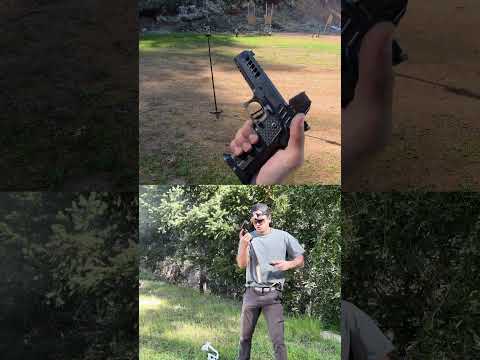
Come risolvere una Mancata Espulsione #shorts

Published on February 9, 2022
Duration: 0:56

This video explains how to resolve a failure to eject malfunction in firearms. It details common causes like insufficient extractor tension or weak ammunition. A practical technique involving rotating the pistol and manipulating the slide is demonstrated to clear the jam and chamber the next round.

Quick Summary

A failure to eject occurs when a spent casing remains in the firearm, blocking the next round. Common causes include weak springs or low-velocity ammo. To fix it, rotate the pistol towards the ejection port, slightly pull back the slide, and let it slam shut.

Chapters

  1. 00:00What is a Failure to Eject?
  2. 00:12Casing Orientations Explained
  3. 00:18Common Causes of Malfunctions
  4. 00:40Clearing Technique: Rotate & Release

Frequently Asked Questions

What is a failure to eject malfunction in a firearm?

A failure to eject occurs when a spent casing doesn't leave the firearm properly, blocking the chamber and preventing the next round from being loaded. This is often called a 'stovepipe' if the casing is stuck vertically.

What are common causes for a failure to eject?

Common causes include insufficient extractor tension (especially on 1911 models), weak recoil springs, or using ammunition with too low velocity, which doesn't provide enough energy for the slide to cycle fully.

How do you fix a failure to eject (stovepipe) malfunction?

To clear it, rotate the pistol so the ejection port faces down, slightly pull back the slide to relieve pressure on the casing, and then let the slide slam forward to eject the obstruction and chamber the next round.

Can ammunition cause failure to eject issues?

Yes, low-velocity ammunition may not generate enough energy for the firearm's slide to complete its cycle, leading to a failure to eject. Ensure your ammo is suitable for the firearm's operation.

More Training & Techniques Videos You Might Like

More from Vampire Guns

View all →