Conceal Carry Holder Survives Workplace Shooting: First Person Defender|S1 E11

Published on September 25, 2013
Duration: 18:54

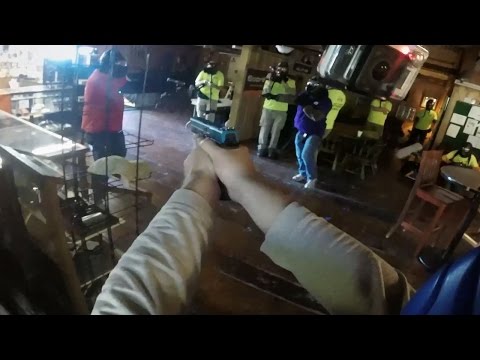
This video details a force-on-force training exercise for a concealed carry holder facing a simulated workplace shooting. Instructors from VATA Training Group highlight common CCW holder overestimations of their preparedness and demonstrate critical tactical improvements. Key takeaways include the importance of movement, utilizing cover effectively with techniques like 'pieing the corner,' and the stress inoculation provided by Simunition training.

Quick Summary

Force-on-force training with marking cartridges like Simunition FX is vital for concealed carry holders to simulate stress and improve survivability. Key tactics include 'pieing the corner,' dynamic movement, and effective use of cover, as demonstrated by VATA Training Group instructors.

Chapters

  1. 00:00Introduction to Force-on-Force Training
  2. 01:34Participant Profile: Michael Claus
  3. 02:33Workplace Shooting Scenario Setup
  4. 04:11Scenario 1: Initial Reaction and Failure
  5. 09:46Range Training: Fundamentals and Cover
  6. 14:19Scenario 2: Applying Tactical Improvements

Frequently Asked Questions

What is force-on-force training and why is it important for concealed carry holders?

Force-on-force training uses marking cartridges like Simunition FX to simulate real-world threats, providing a 'pain penalty' that builds stress inoculation. This is crucial for concealed carry holders to test and improve their defensive skills under realistic pressure.

What tactical techniques were taught in the workplace shooting scenario?

Instructors emphasized using cover and concealment effectively, employing the 'pieing the corner' technique to clear angles safely, and incorporating movement and changes in elevation to maintain a tactical advantage.

What common mistakes do concealed carry holders make in defensive scenarios?

Common mistakes include overestimating preparedness based on non-defensive firearm experience, remaining static under threat which negates the 'reactionary gap', and failing to practice accessing a firearm from off-body storage under stress.

How can concealed carry holders improve their survivability in a shooting incident?

Improvement comes from realistic training like force-on-force, focusing on tactical movement, proper use of cover, understanding concepts like the 'reactionary gap', and practicing firearm access under stress.

Related News

All News →

More Training & Techniques Videos You Might Like

More from Gun Talk Media

View all →