Contractor Attacked by Trespasser | First Person Defender

Published on August 29, 2021
Duration: 15:59

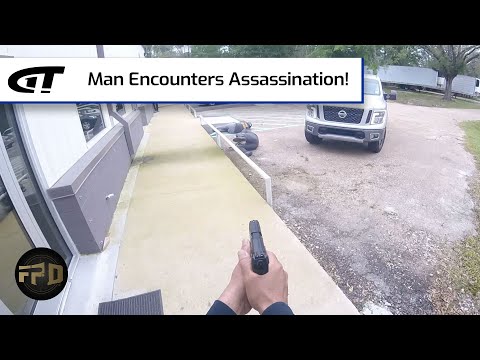
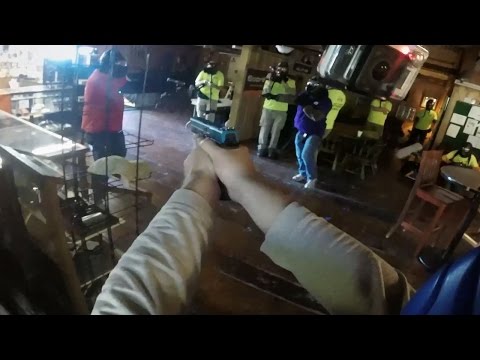
This video from 'First Person Defender' simulates a self-defense scenario where a contractor, Gibb, is confronted by trespassers in a vacant building. The training focuses on critical decision-making under duress, including threat assessment, creating distance, tactical movement, and the importance of continuous training. Instructor Kevin highlights key takeaways from Gibb's performance, emphasizing proper response to armed assailants and avoiding common mistakes.

Quick Summary

In self-defense scenarios, avoid backpedaling into obstacles or closing distance on a downed attacker. Prioritize creating distance by moving explosively off the 'X' and on angles. Continuous training is crucial, as even experienced individuals can make mistakes under pressure.

Chapters

  1. 00:00Introduction to First Person Defender
  2. 00:37Contractor Gibb's Scenario Setup
  3. 00:56Gibb's Background and Experience
  4. 01:29Gibb's Previous Self-Defense Incident
  5. 01:54Everyday Carry (EDC) Discussion
  6. 02:07Scenario Preparation and Expectations
  7. 02:38Entering the Vacant Building
  8. 03:12Initial Confrontation with Trespassers
  9. 03:36First Assailant Pulls a Knife
  10. 03:51Second Assailant Appears
  11. 04:14Escape from the Building
  12. 04:35Debrief: What Happened
  13. 05:17Identifying the Threat
  14. 05:30Preparing to Defend
  15. 05:38Creating Distance and Firing Shots
  16. 05:49Training Options Introduced
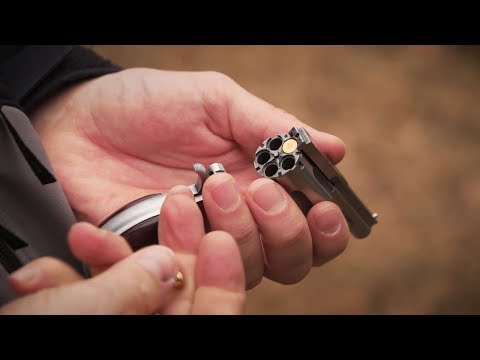
  17. 05:58Springfield Armory Hellcat Feature
  18. 06:15Post-Scenario Training Debrief
  19. 06:30Key Takeaway: Calling for Others
  20. 06:52Mistake: Closing Distance on Downed Threat
  21. 07:24Mistake: Backpedaling into Obstacles
  22. 07:37Importance of Presence of Mind and Cover
  23. 08:13Difficulty Changing Direction
  24. 08:34Understanding Cover
  25. 08:48Why Not to Close Distance
  26. 09:00Moving on an Angle
  27. 09:19Ruger LCP MAX Feature
  28. 09:56Training: Movement While Shooting
  29. 10:15Why Big Steps Aren't Always Best
  30. 10:22Advice: Turn Feet, Time Movements
  31. 10:44Practicing Movement Drills
  32. 10:50Threat Assessment and Movement Timing
  33. 11:09Don't Worry About Foot Placement After Shots
  34. 11:43Sponsors and Credits
  35. 11:56Gibb's Next Scenario
  36. 12:10Entering the Building Again
  37. 12:20Confrontation with New Trespassers
  38. 13:04Debrief: Second Scenario
  39. 13:17Identifying Armed Assailant
  40. 13:45Engaging the Threat
  41. 14:12Mistake: Advancing into the Room
  42. 14:47Lessons Learned and Continuous Training
  43. 15:09Closing Remarks

Frequently Asked Questions

What are the key tactical mistakes to avoid in a self-defense encounter?

Key mistakes include backpedaling into obstacles, closing distance on a downed attacker, and advancing into a room with potential secondary threats. Instead, focus on creating distance, moving to cover, and breaking the attacker's line of sight by moving on angles.

How should one react when confronted by an armed trespasser in a building?

Assess the threat immediately. If armed, create distance rapidly by moving explosively off the 'X' and on angles. Prioritize getting shots off quickly and escaping towards a safer location or cover. Do not engage unnecessarily.

What is the importance of continuous firearms training?

Continuous training is vital because even experienced individuals can make mistakes under pressure. A single training session is insufficient; regular practice reinforces critical skills and decision-making, ensuring proficiency in real-world self-defense scenarios.

What are the recommended firearms for concealed carry mentioned in the video?

The video highlights the Springfield Armory Hellcat, a micro-compact 9mm with 15-round magazines, and the Ruger LCP MAX, a compact pistol offering 10-round capacity without significant size increase, both suitable for concealed carry.

More Training & Techniques Videos You Might Like

More from Gun Talk Media

View all →