Controlling Recoil - Do Not Publish

Published on October 12, 2013
Duration: 3:10

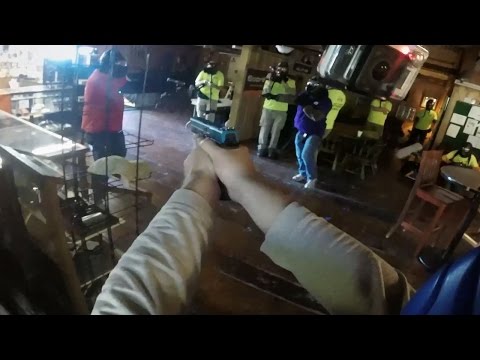
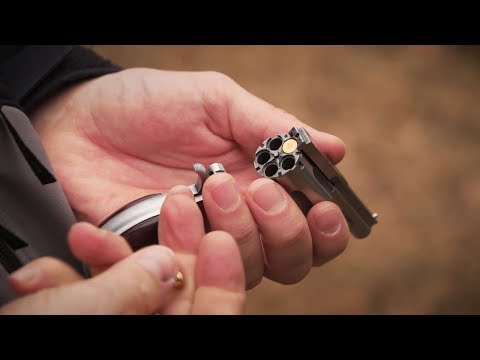
This guide, drawing on insights from competitive shooter Rob Blan, explains how to effectively control recoil in smaller, lighter firearms like the XDS. It emphasizes the need for the shooter to compensate for reduced firearm mass by applying significant forward pressure and leaning into the shot. Proper technique ensures reliable cycling and improved accuracy.

Quick Summary

Controlling recoil in small firearms requires compensating for reduced mass. Shooters must apply significant forward pressure and lean into the shot, ensuring their body absorbs recoil rather than the firearm's frame moving excessively. This technique, often referred to as avoiding 'limp wristing,' ensures reliable cycling and improved accuracy.

Chapters

  1. 00:00Introduction to Recoil Control
  2. 00:15Mass vs. Size in Firearms
  3. 00:30How Recoil Operated Pistols Work
  4. 00:48The Importance of Shooter Input
  5. 01:00The Problem of Limp Wristing
  6. 01:21Teaching Proper Grip and Pressure
  7. 01:36Demonstrating Forward Pressure
  8. 01:56Body Movement and Recoil
  9. 02:04Strength and Mass for Control
  10. 02:13Tightening Grip and Leaning In
  11. 02:24Mass vs. Strength
  12. 02:31Forward Lean for Smaller Shooters
  13. 02:45Benefits of Proper Recoil Control
  14. 02:56How Tightly to Hold the Gun
  15. 03:07Conclusion

Frequently Asked Questions

Why is mass important for controlling recoil in firearms?

Mass in a firearm helps absorb recoil energy. Smaller, lighter guns have less inherent mass, meaning the shooter must compensate by applying more forward pressure and leaning into the shot to manage the recoil effectively and ensure proper cycling.

What is 'limp wristing' and how does it affect firearm function?

Limp wristing occurs when the frame of the gun moves too much with the slide during recoil. This can prevent the slide from cycling fully, as the recoil spring may not compress enough, leading to malfunctions like misfeeds or failure to eject.

How can a shooter practice applying enough forward pressure for recoil control?

An effective practice method involves slowly cycling the slide while resisting its movement. This allows the shooter to feel the amount of forward pressure required to keep the firearm's frame stable, which is crucial for managing recoil.

Besides grip strength, what other physical technique helps control recoil in small firearms?

A significant forward lean is essential. By aligning your body mass with the firearm's recoil impulse, you can more effectively absorb the energy, ensuring the gun cycles reliably and you can maintain accuracy for follow-up shots.

More Training & Techniques Videos You Might Like

More from Gun Talk Media

View all →