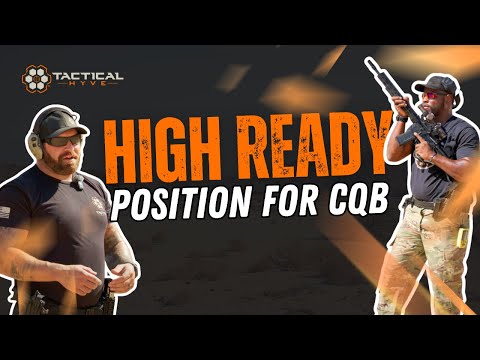
CQB Marksmanship Foundations: Depressed Muzzle Position

Published on August 18, 2025
Duration: 4:42

This video from Tactical Hive, featuring Matt Cos and Dave Harris, details the 'depressed muzzle' technique for Close Quarters Battle (CQB). It emphasizes maintaining situational awareness by looking over the optic, rather than through it, allowing peripheral vision for threat assessment. The technique facilitates rapid target engagement by minimizing the movement required to bring the optic onto the target.

Quick Summary

The depressed muzzle technique in CQB enhances situational awareness by allowing shooters to look over their optic, maintaining peripheral vision. This position facilitates rapid target acquisition by minimizing the movement needed to bring the optic onto the target, ensuring readiness for engagement.

Chapters

  1. 00:12Introduction to Depressed Muzzle
  2. 00:29Purpose of Depressed Muzzle
  3. 01:01Proper Stance and Shoulder Roll
  4. 01:13Firearm Presentation and Balance Triangle
  5. 01:36Situational Awareness and Peripheral Vision
  6. 02:19Muzzle Position Variations
  7. 02:34Engaging a Target
  8. 02:44Superimposing the Reticle
  9. 03:09Drill Demonstration
  10. 03:30Presentation and Target Acquisition
  11. 03:52Operator vs. Tool
  12. 04:04Trusting Your Vision
  13. 04:12Drill Repetition

Frequently Asked Questions

What is the primary benefit of the depressed muzzle position in CQB?

The depressed muzzle position in CQB allows for enhanced situational awareness by enabling the shooter to look over the optic and scan their surroundings, while still being ready to quickly acquire and engage targets with minimal movement.

How does the depressed muzzle technique improve target acquisition speed?

By keeping the firearm in a ready state and the optic slightly below the line of sight, the shooter can rapidly bring the optic onto the target with a small, efficient movement, reducing the time needed for engagement.

Should you look through your optic or over it in CQB?

In CQB, it's recommended to look over the top of your optic to maintain peripheral vision and situational awareness. You then bring the optic to your line of sight to superimpose the reticle on the target for engagement.

What is the 'balance triangle' in shooting?

The 'balance triangle' refers to a stable shooting platform where the shoulder is rolled forward, creating a pocket that helps control the firearm and produce a stable shooting base, especially when using a depressed muzzle technique.

More Training & Techniques Videos You Might Like

More from Tactical Hyve

View all →