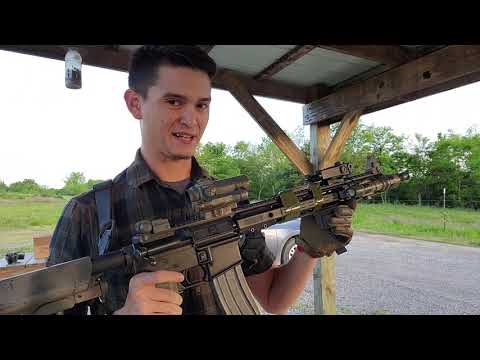
Curved Triggers vs Flat Triggers

Published on April 3, 2024
Duration: 1:00

This video explains the physics behind flat face versus curved handgun triggers. For most hinged triggers, a flat face allows for a higher radius, reducing the force required for a lighter perceived pull. Curved triggers naturally position the finger closer to the pivot, increasing force. The 1911's non-hinged trigger is noted as an exception.


Quick Summary

For most hinged handgun triggers, a flat face is preferred because it increases the radius in the torque equation (Torque = Force x Radius). This larger radius requires less force to actuate, making the trigger pull feel lighter and more manageable. Curved triggers typically have a shorter radius, demanding more force.

Chapters

  1. 00:02Flat Face vs Curved Triggers
  2. 00:05Handgun Trigger Preference
  3. 00:14Physics of Trigger Pull: Torque
  4. 00:19Flat Trigger Advantage: Radius & Force
  5. 00:30Flat Trigger Finger Placement
  6. 00:38Curved Trigger Mechanics
  7. 00:501911 Trigger Exception
  8. 00:55Aesthetics: Flat vs Curved

Frequently Asked Questions

Why is a flat face trigger often preferred for handguns?

For most hinged handgun triggers, a flat face allows for a larger radius in the torque equation (Torque = Force x Radius). This increased radius means less force is needed to actuate the trigger, making the pull feel lighter and potentially more controllable.

How does trigger shape affect perceived trigger pull weight?

A flat trigger face can increase the radius of leverage, allowing you to apply force further from the pivot point. This physics principle means less actual force is required for the same amount of torque, making the trigger feel lighter. A curved trigger typically has a shorter radius, requiring more force.

Does trigger face shape matter on all firearms?

The impact of trigger face shape is most pronounced on hinged triggers, common in many handguns. For firearms like the 1911, which do not use a hinged trigger mechanism, the physics are different, and the shape's effect on perceived pull weight is less significant.

What is the physics principle behind trigger pull mechanics?

The primary physics principle is torque, calculated as Torque = Force x Radius. When discussing triggers, the 'radius' refers to the distance from the trigger's pivot point to where your finger applies pressure. A larger radius allows for less force to achieve the same torque.

Related News

All News →

More Training & Techniques Videos You Might Like

More from GUNBROS

View all →