Decoding Targets to Fix Common Errors

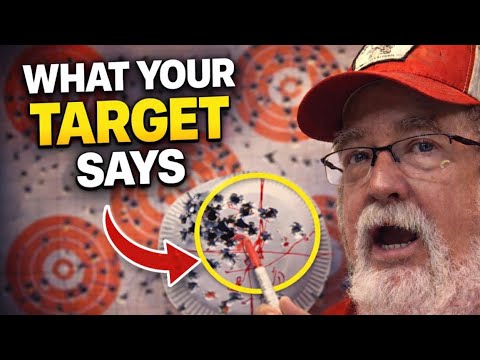
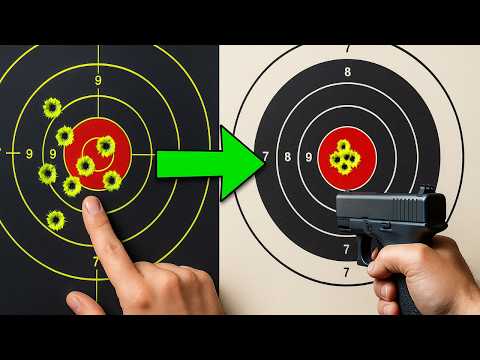
John 'Shrek' McPhee explains how to analyze a target's shot group to diagnose shooter errors, such as grip and movement. He criticizes standard diagnostic targets as ineffective and promotes his own advanced target analysis methods taught in his classes. The video emphasizes understanding shot placement to improve accuracy.

Quick Summary

Analyze your target's shot group to diagnose shooter errors like grip and movement. John 'Shrek' McPhee critiques standard diagnostic targets as ineffective, emphasizing advanced target decoding for real improvement.

Chapters

  1. 00:00Introduction to Target Analysis
  2. 00:17Critique of Standard Training Targets

Frequently Asked Questions

How can a shot group on a target reveal shooter errors?

The location and pattern of a shot group can indicate specific issues. For example, a group consistently high and left might suggest a right-handed shooter is pulling the trigger with their finger too far forward or anticipating recoil, while excessive shoulder movement can also influence shot placement.

Are standard diagnostic targets effective for improving shooting skills?

According to John 'Shrek' McPhee, standard 'pie chart' diagnostic targets are often ineffective and worthless for achieving real improvement. He advocates for more advanced methods of target analysis to accurately diagnose shooter flaws.

What does a tight but drifted shot group suggest about a shooter?

A tight shot group that is consistently off-center, like drifting to one side, often points to systematic errors rather than random ones. This could involve issues with the shooter's grip, stance, sight alignment, or trigger control that are being repeated with each shot.

Related News

All News →

More Training & Techniques Videos You Might Like

More from Sheriff of Baghdad | John "Shrek" McPhee

View all →