Defensive Handgun 2 at Thunder Ranch

Published on August 16, 2024
Duration: 19:11

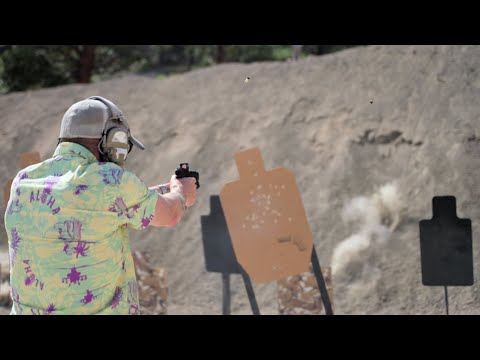
This comprehensive guide details the curriculum of the Thunder Ranch Defensive Handgun 2 course, as reviewed by Kit Badger. The training emphasizes practical application for real-world scenarios, covering advanced techniques such as malfunction clearing, low-light engagements, movement, and one-handed shooting. The course, led by experienced instructors like Clint Smith, focuses on building proficiency through high-repetition drills and complex partner scenarios, culminating in approximately 1,000 rounds fired over three days.

Quick Summary

The Thunder Ranch Defensive Handgun 2 course provides advanced training focusing on practical application for real-world scenarios. Key techniques include malfunction clearing, low-light engagements, movement drills, and one-handed shooting. Instructors tailor the pace to student skill, emphasizing realistic fight preparation and utilizing backup sights like co-witness irons during optic failures.

Chapters

  1. 00:00Introduction to Defensive Handgun 2
  2. 01:49Day 1: Drills and Assessments
  3. 03:45Targeting and Long Range
  4. 06:00Day 2: Low Light and Malfunctions
  5. 08:12The Terminator and Moving Targets
  6. 09:36Day 3: Advanced Manipulations
  7. 14:15Student Takeaways and Logistics

Frequently Asked Questions

What key techniques are covered in the Thunder Ranch Defensive Handgun 2 course?

The course covers essential defensive handgun skills including malfunction clearing, low-light shooting with handheld lights, movement and retention drills, targeting specific anatomical zones, and one-handed shooting techniques, culminating in complex partner scenarios.

How does Thunder Ranch tailor its training to student skill levels?

Thunder Ranch assesses student capabilities early on through high-repetition drills. The instructors then adjust the curriculum's pace and complexity to match the class's demonstrated skill level, providing personalized diagnostic feedback.

What is the recommended approach for engaging moving targets during defensive handgun training?

During defensive handgun training, instructors advise focusing fire on the target's hips. This area is generally the most stationary part of a moving individual compared to the head or chest, offering a more reliable point of aim for accurate hits.

What backup sighting system was utilized during optic failure in the review?

During a red dot optic failure, the instructor utilized the co-witness iron sights on the Sig Sauer P365 Fuse. This allowed for continued engagement and demonstrated the importance of a reliable backup sighting system.

Related News

All News →

More Training & Techniques Videos You Might Like

More from Kit Badger

View all →