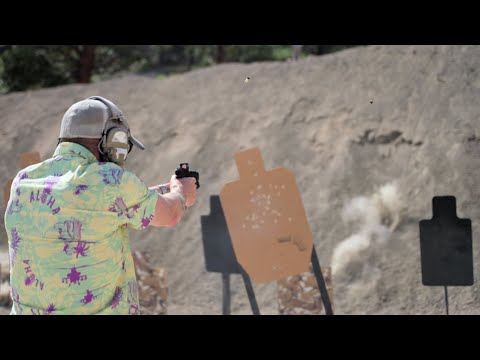
Defensive Logic Preview

This video, featuring Clint Smith of Thunder Ranch, outlines the 'LOGIC' framework for defensive firearm use, emphasizing situational awareness, avoidance, and practical application over range 'tricks'. It covers mental preparation, defensive tactics like using cover and carrying spares, and adaptive handgun positioning based on environment. Smith, a high-authority instructor, stresses the importance of real-world logic in training.

Quick Summary

Clint Smith of Thunder Ranch emphasizes the LOGIC framework (See, Hear, Told, Taught) for defensive firearm use, prioritizing avoidance and mental preparation. Key tactics include using cover, carrying spare ammo, and adapting handgun muzzle discipline to the environment, moving beyond superficial range drills for practical, real-world effectiveness.

Chapters

  1. 00:34The LOGIC Framework Introduction
  2. 01:13Mental Prep: Avoidance is Key
  3. 01:35Defensive Tactics & Gear
  4. 01:47Critique of Range Drills
  5. 02:35Adaptive Handgun Positioning

Frequently Asked Questions

What is the LOGIC framework for defensive shooting?

The LOGIC framework, as taught by Clint Smith, stands for What You See, What You Hear, What You Are Told, and What You Are Taught. It's a critical thinking tool to evaluate information and training for real-world defensive firearm application.

How important is avoidance in defensive firearm training?

According to Clint Smith, avoidance is the primary purpose of defensive firearm training. The goal is to gain the intelligence and awareness to prevent a confrontation entirely, resorting to lethal force only when absolutely necessary.

What are some key defensive tactics mentioned?

Key defensive tactics include keeping your head up, shooting around cover, carrying spare magazines or a backup gun, and using the environment for protection rather than standing exposed as a target.

How should handgun positioning be adapted for defense?

Handgun positioning should be dictated by the environment. For example, the muzzle should point upward when moving up stairs to clear corners, and downward when descending into basements, rather than using a single, rigid technique.

More Training & Techniques Videos You Might Like

More from GUNS and American Handgunner Magazines

View all →