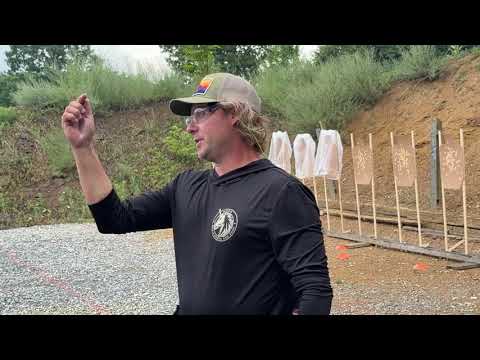
Diagnosing Targets Made Simple | Shooting Q&A

Published on September 21, 2025
Duration: 16:33

This video explains how to diagnose shooting errors by focusing on sight tracking after a single shot using the 'one-shot return' drill. Instructor Joel Park emphasizes that pushing into the gun to fight recoil often causes low shots and that the gun's actual recoil is less than perceived. He also introduces the 'trigger control at speed' drill to improve trigger manipulation without disturbing aim.


Quick Summary

Diagnose shooting errors like low shots by using the 'one-shot return' drill. Aim, fire one shot, and observe sight tracking. If sights undershoot, you're likely fighting recoil. Consistent sight movement patterns indicate repeatable technique, which is more important than a perfectly straight recoil path.

Frequently Asked Questions

What causes low shots when shooting a firearm?

Low shots are often caused by pushing into the gun in anticipation of recoil, trying to stop the firearm's movement. This anticipatory action influences the gun's trajectory downwards.

How can I diagnose my shooting errors using target analysis?

Use the 'one-shot return' drill: aim, fire one shot, and observe sight tracking. If sights undershoot, you're likely fighting recoil. Consistent sight movement patterns indicate repeatable technique.

What is the 'trigger control at speed' drill?

This drill involves mashing through the trigger immediately upon hearing a cue, like a beep, without influencing the firearm's aim. It helps develop precise trigger manipulation without sympathetic movement.

Is a perfectly straight up-and-down recoil path necessary for accurate shooting?

No, repeatability is more important. If your sights consistently return to the same general area after recoil, even if it's not perfectly straight, your technique is likely consistent and effective.

Why is it important to relax the firing hand when pressing the trigger?

Relaxing the firing hand prevents sympathetic movements that can disturb the firearm's aim. Tensing up can lead to unintended jerks or pushes, negatively impacting shot placement.

More Training & Techniques Videos You Might Like

More from Joel Park

View all →