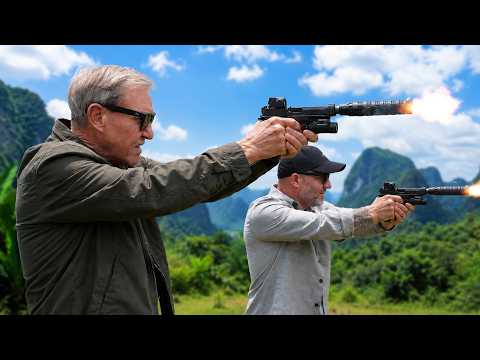
Dialing in your training

Published on August 8, 2025
Duration: 7:01

This video by Ben Stoeger focuses on improving trigger control and sight alignment through dry fire exercises. It emphasizes pressing the trigger with significantly more force than necessary during dry fire to simulate live-fire tension and prevent gun movement. The instruction also highlights the importance of focusing on the aiming point rather than the sights during the draw and shot process.


Quick Summary

To improve pistol trigger control during dry fire, press the trigger twice as hard as necessary to make the gun fire, then fully release to reset. This simulates live-fire tension and helps identify gun movement. Maintain focus on the aiming point on the target, not the sights, allowing the sights to come to your focus.

Chapters

  1. 00:00Introduction to Common Shooting Errors
  2. 00:33Dry Fire Trigger Press Technique
  3. 01:54Simulating Live Fire Tension in Dry Fire
  4. 02:06Observing Gun Movement During Trigger Press
  5. 03:12Focusing on the Aiming Point vs. Sights
  6. 03:34Subtle Head Movement During Aiming
  7. 04:10Maintaining Eye Connection to the Aiming Point
  8. 05:31Wrist Break and Squiggle Drill
  9. 06:30Summary of Key Drills

Frequently Asked Questions

How can I improve my pistol trigger control during dry fire?

During dry fire, press the trigger twice as hard as necessary to make the gun fire. For example, on a 2lb trigger, press with 4lbs of force. Fully release the trigger to reset, then press again. This simulates live-fire tension and helps identify gun movement.

What is the correct way to focus on sights during pistol shooting?

Instead of staring at the sights, maintain a strong focus on the aiming point on the target. Allow the sights to come up to your point of focus. This technique improves your awareness of the sight's position relative to the target.

How does focusing on the aiming point help with accuracy?

When you focus on the aiming point, you retain better awareness of the sight's position relative to that point, even during recoil or rapid movement. Focusing solely on the sight can cause the target to blur, reducing your ability to make precise shots.

What is the 'wrist break and squiggle' drill for?

The 'wrist break and squiggle' drill helps you practice maintaining focus on the aiming point while the sight is moving erratically. By intentionally moving the gun, you train your eyes to stay locked on the target's aiming spot, improving your ability to track the sight.

Related News

All News →

More Training & Techniques Videos You Might Like

More from Ben Stoeger

View all →