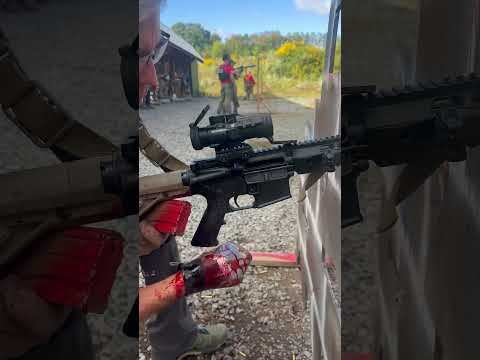
Ep. 1 Wind Call Wednesday - Guess Correct and Win! #military #hunting #tacticalshooter

Published on March 19, 2026
Duration: 1:21

This episode of Wind Call Wednesday introduces a challenge where viewers must judge wind speed and direction based on mirage to make an accurate wind call for a shooter. The video details the specific rifle, ammunition, and atmospheric conditions used, emphasizing that wind flags can be unreliable. Instruction is provided by an expert from Ghost Firearms Training LLC.

Quick Summary

Learn to make accurate wind calls by reading mirage, the shimmering heat waves indicating wind speed and direction. This technique is crucial for long-range shooting, especially when wind flags are unreliable. The Ruger Precision Rifle in 6.5 Creedmoor was used with specific atmospheric data provided.

Chapters

  1. 00:00Wind Call Challenge Introduction
  2. 00:17Challenge Requirements & Mirage Reading
  3. 00:25Rifle and Ammunition Specs
  4. 00:40Atmospheric Conditions Explained
  5. 00:52Recap: How to Make Your Wind Call
  6. 01:00Shooting Sequence and Impact

Frequently Asked Questions

How can I determine wind speed and direction for shooting without wind flags?

Experienced shooters can judge wind speed and direction by observing mirage, the shimmering heat waves rising from the ground. The speed and consistency of the mirage's movement directly correlate to wind strength and direction, providing a more accurate assessment than static wind flags.

What rifle and ammunition were used in the Wind Call Wednesday challenge?

The challenge featured a Ruger Precision Rifle chambered in 6.5 Creedmoor with a 24-inch barrel, firing 140-grain American Gunner ammunition. This ammunition has a G1 ballistic coefficient of 0.585 and a muzzle velocity of 2640 feet per second.

What atmospheric conditions are important for making a wind call?

Key atmospheric conditions include atmospheric pressure (29.10 inHg in this video), humidity (64% RH), and temperature (71 degrees Fahrenheit). These factors significantly influence air density and thus affect bullet trajectory and the perception of wind.

Related News

All News →

More Training & Techniques Videos You Might Like

More from Ghost Firearms Training LLC

View all →