Episode 4: Transition Shooting Drills Every Shooter Should Practice

Published on March 21, 2026
Duration: 3:10

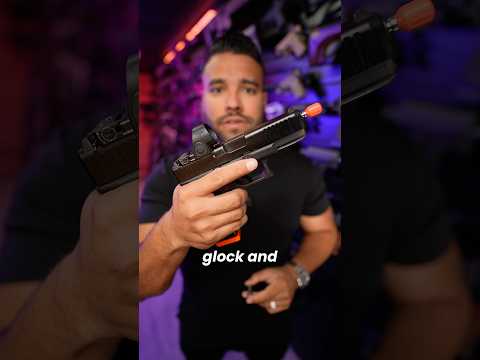
This guide details a transition shooting dry fire drill, emphasizing realistic training scenarios over stationary range practice. It covers fundamental mechanics like 'eyes move first,' provides a step-by-step drill progression, and recommends tools like the Dry Fire Mag and shot timer for enhanced training. Instruction is provided by an experienced speaker advocating for dynamic, gunfight-relevant practice.

Quick Summary

Transition shooting drills emphasize realistic training by simulating dynamic gunfights where targets move. Key principles include 'eyes move first, then the firearm follows.' Practice engaging targets in various locations, focusing on your weaker side, and use tools like a shot timer and Dry Fire Mag to enhance speed and efficiency.

Chapters

  1. 00:03Introduction to Transition Shooting
  2. 00:37Transition Drill Overview
  3. 00:57Advanced Target Setup
  4. 01:11Eyes Lead, Firearm Follows
  5. 01:34Dry Fire Demonstration
  6. 02:11Practice Variations and Progression
  7. 02:39Dry Fire Mag Explanation

Frequently Asked Questions

What is the most important principle in transition shooting?

The most crucial principle in transition shooting is that your eyes must move first to acquire the target, followed by the firearm. This eye-lead technique ensures accuracy and efficiency when engaging multiple or moving targets.

How can I improve my transition shooting skills with dry fire?

You can improve transition shooting through dry fire by practicing drills that involve engaging targets in different locations (left, right, center). Focus on your weaker side, use a shot timer to track progress, and consider tools like the Dry Fire Mag for continuous practice.

What is the purpose of the Dry Fire Mag?

The Dry Fire Mag is a training accessory designed to allow for repeated trigger pulls during dry fire practice without needing to rack the slide. It helps reset the trigger, making practice more efficient and realistic, especially for Glock firearms.

Why is realistic training important for gunfights?

Realistic training is vital because gunfights are dynamic; both you and your adversary will likely be moving. Stationary range shooting doesn't replicate this, so practicing dynamic shooting drills prepares you for real-world encounters.

Related News

All News →

More Training & Techniques Videos You Might Like

More from PRO GUN

View all →