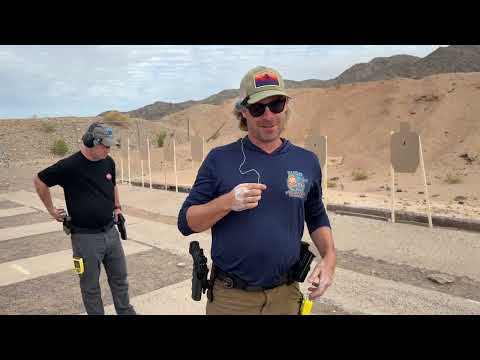
Getting ready for my first match with a limited range

Published on April 23, 2025
Duration: 3:46

This video addresses how to prepare for a first practical shooting match with limited range access, emphasizing that many essential skills can be practiced without live fire. Key takeaways include mastering firearm safety and operation, practicing gun manipulation like drawing from a holster and changing magazines, and understanding safe movement around a stage. The instructor highlights that accuracy and fundamental skills are more critical for a first event than speed, and that practice with a single target and rapid fire is highly effective.

Quick Summary

To prepare for a first practical shooting match with limited range access, focus on dry-fire practice for firearm safety, operation, and gun manipulation skills like drawing from a holster and magazine changes. Limited live-fire can be used for rapid fire drills on a single target. Prioritize accuracy and safe handling over speed for your initial event.

Chapters

  1. 00:00Introduction: Limited Range Challenges
  2. 00:23Essential Skills for Practical Shooting
  3. 00:31Firearm Safety and Operation
  4. 00:52Gun Manipulation Skills
  5. 01:08Safe Movement and Rules
  6. 01:26Shooting Fundamentals Without Live Fire
  7. 01:40Dry Fire Practice Benefits
  8. 02:00Effective Range Training with Limited Resources
  9. 02:12Drills for Limited Range Practice
  10. 02:34What's Needed for a First Event
  11. 03:13Focus on Safety Over Score

Frequently Asked Questions

How can I train for a practical shooting match if I only have access to a limited range?

You can effectively prepare by focusing on dry-fire practice for essential skills like firearm safety, operation, drawing from a holster, and magazine changes. Limited live-fire sessions can be used for rapid fire drills on a single target from a compressed ready position to build accuracy and trigger control.

What are the most important skills to have before my first practical shooting competition?

Before your first match, prioritize a solid understanding of firearm safety and operation, proficiency in gun manipulation (holster draws, reloads), and the ability to move safely around a stage. Accuracy and hitting targets are more critical than speed for beginners.

Can I practice drawing from a holster without going to a shooting range?

Yes, drawing from a holster is a skill that can be practiced extensively without live ammunition or a range. This dry-fire practice helps build muscle memory for a consistent grip and smooth draw, which is vital for practical shooting events.

Is speed important for my first practical shooting match?

For your first practical shooting match, speed is not the primary focus. It's more important to demonstrate safe firearm handling, understand the rules, and accurately engage targets. Your score is less important than ensuring you don't have any safety violations.

Related News

All News →

More Training & Techniques Videos You Might Like

More from Ben Stoeger

View all →