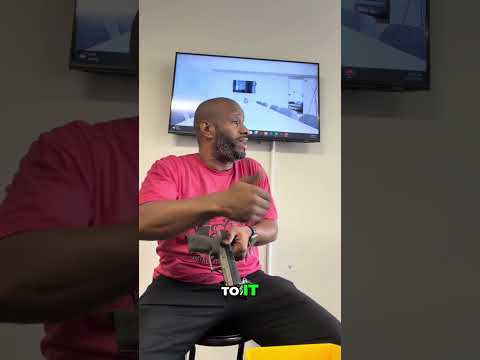
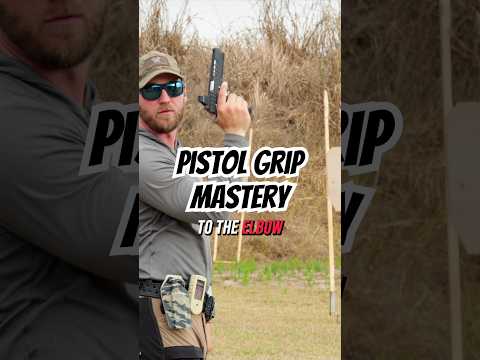
Glock, staccato, sig, canik grip comparison

Published on January 20, 2025
Duration: 6:08

This video provides a practical comparison of grip techniques across various firearms, including Glock, Staccato, Sig, and Canik models. The instructor emphasizes that while specific techniques may vary, fundamental principles of consistency, stability, and durability in grip are crucial for all firearms. By paying attention to how the gun moves and personal tendencies, shooters can identify and correct mistakes to improve performance.

Quick Summary

Expert firearm instructor emphasizes that fundamental grip principles—consistency, stability, and durability—are key across all firearms. Adapting grip to factors like bore axis and compensators is vital, while focusing on grip and vision is more impactful than debating trigger press nuances.

Chapters

  1. 00:00Glock Baseline Grip
  2. 00:19First Pistol Grip Comparison
  3. 00:50Second Pistol Grip Comparison
  4. 01:24Turkish Delight (Compensated Pistol) Grip
  5. 01:51Small Pistol Grip Challenges
  6. 02:24Staccato Grip and Compensator
  7. 03:05Understanding Grip Nuances
  8. 03:42Principles Over Technique
  9. 04:05Three Core Grip Principles
  10. 04:44Identifying Grip Mistakes
  11. 05:02Pressure Testing Skills
  12. 05:19Trigger Press Discussion

Frequently Asked Questions

What are the fundamental principles of firearm grip emphasized in the video?

The video stresses three core principles for firearm grip: consistency (placing hands the same way every time), stability (pressures not changing during the shooting cycle), and durability (grip remaining strong throughout the entire string of fire).

How should grip technique adapt to different types of firearms?

Grip technique must adapt to factors like bore axis, pistol weight, trigger feel, and the presence of compensators. For instance, higher bore axis guns may need more conscious clamping, while compensated guns require neutrality.

Why is trigger press discussion considered less important than grip and vision?

The instructor argues that trigger press becomes instinctual and consistent under speed for most shooters, regardless of specific training. Focusing on grip and vision provides more actionable insights for improving shooting performance.

What is the importance of observing firearm movement and personal tendencies?

Observing how the gun moves and your own tendencies, such as the gun whipping or your support hand slipping, is crucial for identifying mistakes and understanding how to adjust your grip and technique for better control.

Related News

All News →

More Training & Techniques Videos You Might Like

More from Ben Stoeger

View all →