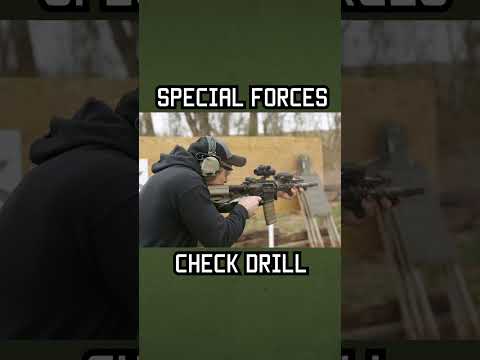
GoingTactical – Ep. 09 – Switching Systems

Published on April 9, 2018
Duration: 10:25

This video from Mike Ccleaner at Wilson Combat details the critical technique of transitioning from a malfunctioning primary long gun to a secondary handgun. It emphasizes the 'dead trigger' as a stimulus for transition, stressing immediate action to clear the primary weapon while drawing the secondary. The instruction covers the mental shift, the physical mechanics of the transition, and the post-fight assessment and potential recovery of the primary weapon, highlighting the importance of finishing the fight first.

Quick Summary

A 'dead trigger' on a primary firearm signals a malfunction, prompting an immediate transition to a secondary weapon if available and within range. The process involves clearing the primary weapon out of the way while drawing the secondary, making the handgun the primary until the original firearm can be safely assessed and potentially repaired.

Chapters

  1. 00:17Introduction to Weapon Transition
  2. 00:36Demonstration Setup: AR9G and Glock
  3. 00:50The Concept and Mentality of Transition
  4. 01:15Defining a 'Dead Trigger'
  5. 01:24Options When Facing a Malfunction
  6. 01:54Downsides of Fixing a Long Gun Under Fire
  7. 02:48The Transition Process: Clearing Primary, Drawing Secondary
  8. 04:08Tip: Rotating the Long Gun Out of the Way
  9. 04:35Handgun Draw from Appendix Position
  10. 05:00Building the Grip with the Support Hand
  11. 05:30The Handgun as the Primary Weapon Post-Transition
  12. 06:12Assessing the Primary Weapon When Safe
  13. 06:45Fixing the Long Gun: Reload Example
  14. 07:32Practice Drill: Setting Up the Transition
  15. 08:10Step-by-Step Transition Drill
  16. 09:16Flow and Critical Steps of Transition
  17. 09:57Conclusion and Future Practice Video

Frequently Asked Questions

What is a 'dead trigger' in firearms and when should you transition weapons?

A 'dead trigger' occurs when you pull the trigger on your firearm, but nothing happens – no hammer fall or bolt movement. This indicates a malfunction. If you encounter a dead trigger on your primary weapon and a secondary weapon is available and within effective range, it's often tactically advantageous to transition to the secondary immediately.

How do you transition from a rifle to a handgun during a tactical situation?

The transition involves clearing the malfunctioning rifle out of your way, typically rotating it to your side, while simultaneously drawing your handgun. The goal is to get the secondary weapon into the fight as quickly as possible, making it your primary until the original weapon can be addressed.

What is the mentality behind transitioning to a secondary weapon system?

The mentality is to immediately switch from a weapon system that is no longer functioning (e.g., has a dead trigger) to an alternative that can address the threat. This transition isn't limited to just a handgun; it could be to a knife or combative technique if the situation demands.

When is it appropriate to fix a malfunctioning primary weapon after transitioning?

You should only attempt to fix a malfunctioning primary weapon after the immediate threat has been neutralized and you have reached a safe position or cover. At this point, you can assess the issue and, if possible, safely holster the secondary weapon to address the primary.

More Training & Techniques Videos You Might Like

More from Wilson Combat

View all →