Grip Your Handgun Like a Professional | Tactical Rifleman

Published on October 16, 2020
Duration: 30:02

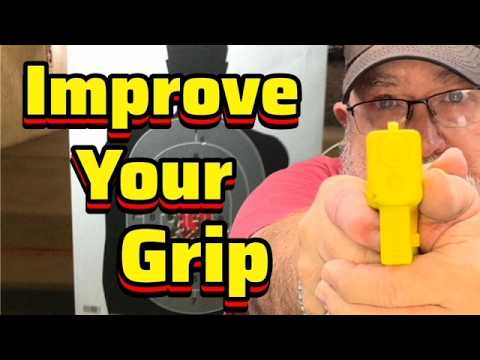
This guide details professional handgun grip techniques taught by Imri and Rossen Hristov of Tactical Rifleman and Tactical Performance Center. It covers the principles of minimizing leverage and maximizing friction, explaining both the Thumbs Forward and Thumb Over Thumb (Israeli) grips. The instruction emphasizes biomechanics and physics to control muzzle flip, improve sight recovery, and enhance weapon retention, offering practical tests to verify grip effectiveness.

Quick Summary

Master professional handgun grip techniques by minimizing leverage with a high grip and maximizing friction through pressure and texture. Learn the 'Nutcracker Effect' and compare Thumbs Forward vs. Thumb Over Thumb grips for superior muzzle flip control, recoil management, and weapon retention, as demonstrated by experts Imri and Rossen Hristov.

Chapters

  1. 00:11Introduction to Handgun Grips
  2. 01:41The Purpose of the Grip
  3. 03:47Principle 1: Minimizing Leverage
  4. 07:07Principle 2: Maximizing Friction
  5. 09:16Thumbs Forward Grip Technique
  6. 13:14The Nutcracker Effect
  7. 15:36Thumb Over Thumb (Israeli) Grip
  8. 18:58Grip Verification and Testing
  9. 23:34Weapons Retention and Conclusion

Frequently Asked Questions

What are the key principles for a professional handgun grip?

A professional handgun grip focuses on two main principles: minimizing leverage by gripping high on the frame near the bore axis, and maximizing friction through high pressure, increased contact area, and aggressive textures to prevent firearm shift during recoil.

How does grip affect muzzle flip and recoil control?

A high grip minimizes leverage, directing recoil energy linearly into the arm and reducing muzzle flip. Proper pressure and wrist stiffness, often achieved through techniques like the 'Nutcracker Effect', ensure the firearm returns to the sights quickly after each shot.

What is the 'Nutcracker Effect' in handgun shooting?

The 'Nutcracker Effect' involves applying inward pressure from the heels of both palms while extending the arms. This creates a rigid, 'spring steel' effect from the elbows forward, stabilizing the firearm and aiding in natural sight recovery after recoil.

What is the difference between the Thumbs Forward and Thumb Over Thumb grips?

The Thumbs Forward grip emphasizes support hand placement for maximum wrist strength, while the Thumb Over Thumb (Israeli) grip creates a tight skin fold for high backstrap pressure and is noted for superior weapon retention.

More Training & Techniques Videos You Might Like

More from Tactical Rifleman

View all →