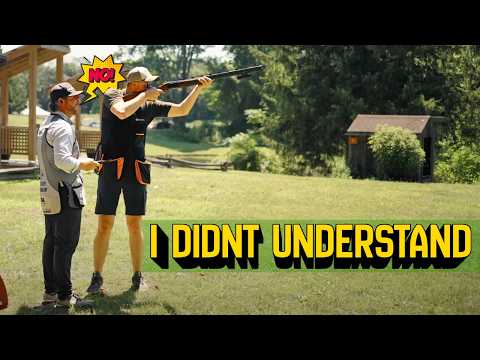
Gun Fit 101

Published on December 5, 2020
Duration: 31:39

Proper gun fit is crucial for consistent accuracy, focusing on how the firearm aligns with the shooter's body. Key elements include the fit against the shoulder and face, and the alignment of the eye with the rib. Adjustments like cast, pitch, comb height, and length of pull are vital for optimal performance and comfort.

Quick Summary

Proper gun fit ensures consistent firearm mounting and perfect eye alignment with the rib for accurate shooting. Key elements include fit into the shoulder, fit against the face, and eye alignment relative to the rib. Adjustments like cast, pitch, and comb height are vital for optimal performance.

Chapters

  1. 00:00Introduction to Gun Fit
  2. 00:58The Three Pillars of Fit
  3. 01:41Butt Plate and Pitch Explained
  4. 03:51Understanding Cast-Off and Cast-On
  5. 05:41Gun Fit is a Continuous Process
  6. 09:00Comb Height and Drop Explained
  7. 13:36Adjustable Components for Fine-Tuning
  8. 15:51Grip and Length of Pull (LOP)

Frequently Asked Questions

What are the key elements of proper gun fit?

Proper gun fit involves three main elements: how the firearm fits into your shoulder, how it fits against your face, and the consistent alignment of your eye relative to the gun's rib or sights. This ensures a repeatable shooting position.

How does butt plate pitch affect shotgun fit?

The pitch of the butt plate, the angle of the heel and toe, affects comfort and mounting consistency. Incorrect pitch can cause the gun to dig into the shoulder or mount awkwardly, forcing the shooter into unnatural positions.

What is 'cast' in firearm stock terminology?

Cast refers to the lateral bend in the firearm's stock. Cast-off moves the stock away from the shooter's face (for right-handed shooters), while cast-on moves it towards the face. Proper cast is crucial for aligning the eye directly behind the action.

Why is gun fit considered a continuous process?

Gun fit isn't a one-time adjustment. As a shooter's body changes due to factors like weight fluctuations, muscle development, or aging, the ideal dimensions of the firearm stock may also change, requiring periodic re-evaluation.

More Training & Techniques Videos You Might Like

More from TGS Outdoors

View all →