GUNTALK S1: Competitve Shooting, Pt 3

Published on February 3, 2011
Duration: 5:33

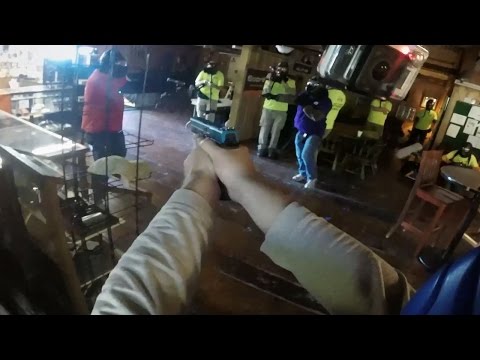
This video demonstrates IDPA competitive shooting techniques, focusing on concealed carry and reload procedures. It highlights the differences from USPSA, emphasizing defensive roots and specific rules regarding target engagement order, cover usage, and reload types (tactical vs. emergency). The instruction covers proper draw techniques from concealment and the critical distinction between tactical reloads (retaining the magazine, can be done behind cover) and emergency reloads (only when the firearm is empty).

Quick Summary

IDPA competitive shooting emphasizes defensive scenarios for concealed carriers, differing from USPSA by requiring specific target engagement orders and strict reload rules. Tactical reloads involve retaining the magazine behind cover, while emergency reloads are only for an empty firearm. Proper concealed draw techniques are crucial for speed and safety.

Chapters

  1. 00:25Introduction to IDPA and XDM Compact
  2. 01:07IDPA Rules vs. USPSA
  3. 01:37Concealed Carry Starting Position
  4. 01:56Target Engagement Order
  5. 02:22Reload Options: Tactical vs. Emergency
  6. 03:08Course of Fire Demonstration
  7. 03:34Score and Penalties Discussion
  8. 03:54Concealed Draw Technique
  9. 04:31Reload Penalty Explanation
  10. 04:47Correct Reload Procedure

Frequently Asked Questions

What are the key differences between IDPA and USPSA shooting?

IDPA emphasizes defensive shooting scenarios for concealed carriers, with stricter rules on target engagement order and cover usage. USPSA often allows for more aggressive shooting, letting competitors engage the easiest target first, and has different procedural rules.

How does IDPA's defensive focus influence its rules?

IDPA's defensive roots mean competitions simulate real-world scenarios where concealed carriers might draw their firearm. This leads to rules about cover, concealment, and specific reload procedures that mirror defensive tactics, unlike purely speed-focused disciplines.

What are the two main reload types in IDPA, and when can they be used?

In IDPA, you can perform a tactical reload (retaining the old magazine) behind cover, or an emergency reload (only when the firearm is completely empty). Dropping a magazine with rounds still in it without using cover results in a penalty.

What is the recommended draw technique for concealed carry in IDPA?

For concealed carry draws in IDPA, a more aggressive motion is advised to clear concealment garments. The hand should actively pull the clothing away from the firearm before gripping and drawing the pistol.

Related News

All News →

More Training & Techniques Videos You Might Like

More from Gun Talk Media

View all →