High Pressure Training

Published on April 25, 2025
Duration: 3:01

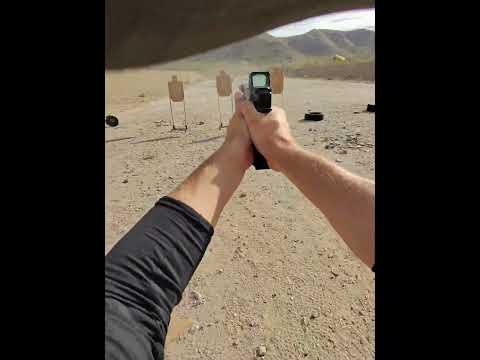
This video addresses the common issue of first-stage jitters in competitive shooting. Ben Stoeger explains that pressure and nerves on the first stage are normal, even for experienced shooters. He emphasizes that the goal of training should be to perform under these high-pressure conditions, rather than expecting pressure to disappear with practice. The advice is to conceptualize training changes to ensure they are effective in a high-pressure environment.

Quick Summary

First-stage jitters in competitive shooting are normal, even for experienced participants. As you advance to larger matches, pressure tends to increase. Your training should focus on developing techniques and mental resilience that allow you to perform effectively under these high-pressure conditions, rather than expecting pressure to disappear with practice alone.

Chapters

  1. 00:01Introduction to Shooting Question
  2. 00:18The Problem: First Stage Jitters
  3. 00:37Advice on Pressure and Expectation
  4. 00:46Training for High-Pressure Circumstances
  5. 00:52Nerves on the First Stage are Normal
  6. 01:16Pressure Increases with Skill
  7. 01:33Why Practice Doesn't Always Reduce Pressure
  8. 01:46Comfort vs. Growth in Competition
  9. 02:16Training to Shoot Under Pressure
  10. 02:31The Importance of the First Stages
  11. 02:45Conceptualizing Technique Changes
  12. 02:54Conclusion and Call for Questions

Frequently Asked Questions

Why do I get nervous on the first stage of a shooting competition?

It's common to experience nerves and pressure on the first stage of a match, even for experienced shooters. This is often due to the anticipation of competition and the desire to perform well. The key is to train specifically for these high-pressure moments.

Will more practice make me feel less pressure in shooting matches?

While practice is crucial, it doesn't always reduce pressure, especially as you progress to larger competitions. The more you aim for bigger events and higher stakes, the more pressure you're likely to encounter. Training should focus on performing under this pressure.

How should I train to handle pressure in competitive shooting?

Your training should simulate or prepare you for high-pressure environments. When making technical adjustments, ensure they are robust enough to function reliably when you're feeling nervous or under expectation, as this is the reality of competition.

Is it normal for top shooters to be nervous before a match?

Yes, it is entirely normal for even the most accomplished shooters to feel amped up or nervous before the first stage of a major competition. This is a sign that they care about their performance and are preparing mentally for the challenge ahead.

Related News

All News →

More Training & Techniques Videos You Might Like

More from Ben Stoeger

View all →