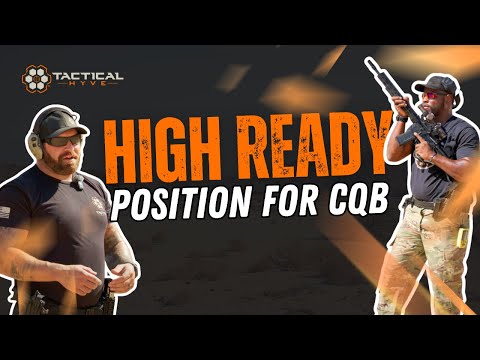
High Ready and Low Ready Rifle Positions with Navy SEAL Dorr

Published on March 1, 2023
Duration: 11:27

This guide details the execution and tactical application of High Ready and Low Ready rifle positions, as demonstrated by Navy SEAL Dorr. High Ready involves pointing the rifle upwards for safety and immediate defensive options, while Low Ready is a common patrol stance with the muzzle pointed down. The instruction emphasizes proper grip, stock placement, muzzle discipline, and transitions between positions for various scenarios, including engaging targets and weapon manipulation. It highlights the importance of drilling both positions for proficiency.

Quick Summary

High Ready and Low Ready rifle positions serve as intermediate tactical stances. High Ready points the muzzle upwards (12 o'clock) for safety and immediate defense, while Low Ready points the muzzle towards the ground near the feet, ideal for patrols and bystander safety. Both require specific techniques for safe execution and transitions to firing.

Chapters

  1. 00:28Introduction to Ready Positions
  2. 00:53Sponsor Mention: Better Holsters
  3. 01:12High Ready vs. Low Ready - Purpose
  4. 01:31High Ready Position Explained
  5. 03:07Framing Position
  6. 04:04Using Rifle in High Ready for Self-Defense
  7. 04:28Transitioning from High Ready to Firing
  8. 04:53Live Fire Demonstration: High Ready
  9. 05:43High Ready Context and Controversy
  10. 06:25Low Ready Position Explained
  11. 07:17Transitioning to Low Ready
  12. 08:05Low Ready Speed and Ease
  13. 08:20Dynamic Shooting Stance in Low Ready
  14. 09:00Low Ready vs. Patrol Ready
  15. 09:39Disadvantages of Low Ready
  16. 10:19Comfort and Practicality of Ready Positions
  17. 10:41Training Recommendation
  18. 11:01Video Conclusion

Frequently Asked Questions

What is the purpose of High Ready and Low Ready rifle positions?

High Ready and Low Ready positions are intermediate points between being occupied and engaging targets. They offer a middle ground for readiness, with High Ready pointing the muzzle upwards for safety and immediate defense, and Low Ready pointing the muzzle towards the ground for patrol comfort and bystander safety.

How do you execute the High Ready rifle position?

In High Ready, point the rifle upwards (12 o'clock), with your primary hand on the grip and thumb on safety. Position the stock against your forearm, bring the muzzle and front sight close to your nose, and angle the gun past 45 degrees to avoid flagging others.

What are the key differences between High Ready and Low Ready?

High Ready prioritizes immediate defensive capability and weapon retention, while Low Ready is more comfortable for prolonged patrols and safer for bystanders. Low Ready is generally faster to acquire, but High Ready offers better options for close-quarters struggles.

What is the framing position in rifle handling?

The framing position, accessible from High Ready, involves tucking the rifle into the torso. This allows for essential weapon manipulation tasks like reloads, clearing malfunctions, or performing maintenance while maintaining a tactical posture.

More Training & Techniques Videos You Might Like

More from Tactical Hyve

View all →