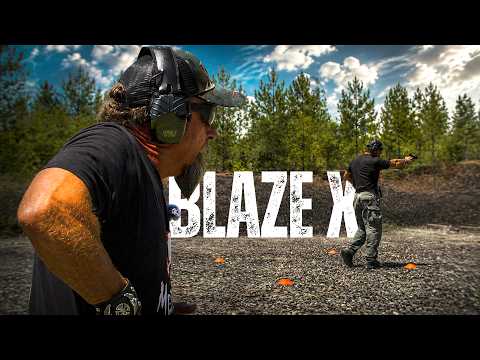
How do I know what to practice?

Published on February 20, 2025
Duration: 7:05

This video emphasizes the importance of varied and targeted practice for firearms proficiency. Instructor Joel Park advises against repetitive drills and encourages shooters to identify specific upcoming challenges, like matches or qualifications, to tailor their training. For general practice, he recommends rotating through different skills and target setups to develop a well-rounded shooting ability, rather than fixating on a single drill.


Quick Summary

To know what to practice in firearms training, avoid repetitive drills and focus on developing a well-rounded skill set. Identify specific upcoming match or qualification requirements to tailor your practice. For general training, rotate through different skills like target transitions, movement, and varied target engagements to ensure comprehensive development.

Chapters

  1. 00:00Introduction: The Challenge of What to Practice
  2. 00:17The Pitfall of Repetitive Practice
  3. 01:24Becoming a Well-Rounded Shooter
  4. 01:36Scenario 1: Upcoming Match Requirements
  5. 02:20Scenario 2: Match Difficulty Misinterpretations
  6. 03:07Scenario 3: Classifier or Qualification Focus
  7. 04:07General Practice Rotation
  8. 04:22Example Practice Setup: L-Pre Drill Variations
  9. 04:54Varying Practice Session Themes
  10. 05:30Structuring Practice: Rotation vs. Rigid Plan
  11. 06:00Balancing Strengths and Weaknesses in Practice
  12. 06:13Awareness Through Varied Training
  13. 06:48Conclusion: Benefits of Diverse Practice

Frequently Asked Questions

How can I avoid practicing the same thing repeatedly in firearms training?

To avoid repetitive firearms practice, rotate through different skills and target setups each session. Focus on varied drills like target transitions, movement while shooting, or specific shot sequences. This ensures you develop a well-rounded skill set rather than becoming overly specialized in one area.

What is the best way to prepare for an upcoming shooting match or qualification?

Prepare for upcoming shooting events by analyzing match diagrams or qualification requirements to identify specific skills that will be tested. Dedicate focused practice sessions to these identified areas, incorporating them into both live fire and dry fire training to build confidence and proficiency.

Should I only practice my weak areas in firearms training?

While addressing weaknesses is crucial for becoming a well-rounded shooter, it's also beneficial to practice skills you're already proficient in to maintain and refine them. The key is to balance focused work on weaknesses with maintaining strengths through varied practice.

How important is one-handed shooting in firearms practice?

One-handed shooting is an important skill to develop, though its required proficiency level may vary. While essential, it might not demand the same intensity as other skills that are used more frequently in dynamic shooting scenarios for the average practitioner.

Related News

All News →

More Training & Techniques Videos You Might Like

More from Joel Park

View all →