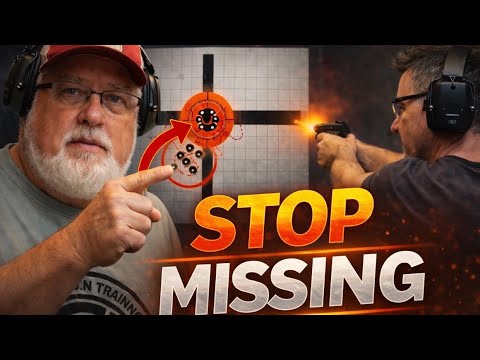
How much dot movement is kosher

Published on April 15, 2025
Duration: 3:28

This video addresses the common concern of sight movement during trigger press. Instructor Ben Stoeger explains that while striving for absolute stillness in dry fire is ideal, some slight, imperceptible movement is realistic during live fire. The key is to ensure this movement does not push the sights out of the intended aiming area. He emphasizes setting a high standard in dry practice to maintain proficiency under the stress of live ammunition.

Quick Summary

In dry fire, strive for zero perceptible sight movement during the trigger press. While some slight movement is realistic during live fire, it's acceptable as long as the sights remain within the intended aiming area. Setting a high standard in dry practice helps compensate for skill degradation with live ammunition.

Frequently Asked Questions

Is any sight movement acceptable when pressing the trigger?

In dry fire, the goal is to achieve zero perceptible sight movement. However, during live fire, some slight movement is realistic and acceptable as long as the sights do not leave the intended aiming area. The key is to train for stillness in dry practice to maintain proficiency.

How much sight movement is too much during a trigger press?

Too much sight movement occurs when the gun is pushed out of the intended aiming area. While some slight movement is natural, especially with aggressive trigger pulls, it should not compromise your ability to hit the target. The acceptable amount varies with distance and target difficulty.

Why is it important to strive for stillness in dry fire?

Striving for perfect stillness in dry fire sets a high standard. This helps ensure that when you transition to live ammunition, where skills naturally degrade due to pressure and recoil, you are still proficient enough to keep the sights within the aiming area.

What's the difference between dry fire and live fire trigger control regarding sight movement?

In dry fire, you aim for absolute stillness. In live fire, you can expect some slight movement due to recoil and the stress of the shot. The critical factor is that this movement doesn't cause the sights to deviate from the intended target zone.

Related News

All News →

More Training & Techniques Videos You Might Like

More from Ben Stoeger

View all →