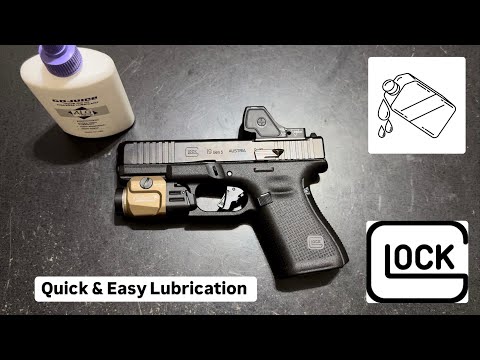
How to Clean a Glock

Published on February 9, 2017
Duration: 16:31

This guide details a practical method for cleaning a Glock handgun, emphasizing efficiency and reliability over excessive detail. Instructor Dave Tim stresses safety first, followed by field stripping the pistol. The process involves dry wiping, using specific cleaning solutions like Slip 2000, and employing brushes and cotton swabs to address common areas of fouling, particularly around the extractor and frame rails. The focus is on maintaining functionality without over-cleaning, which can potentially cause harm.

Quick Summary

Glock pistols are highly reliable and do not require frequent cleaning; periodic lubrication is often sufficient even after thousands of rounds. Excessive cleaning can potentially harm reliability. Always ensure the firearm is unloaded, wear gloves, and use basic cleaning supplies like brushes and swabs to address common dirty areas such as the extractor and frame rails.

Chapters

  1. 00:00Introduction to Glock Cleaning
  2. 00:22Instructor Dave Tim's Approach
  3. 00:40Frequency of Glock Cleaning
  4. 01:30Firearm Safety First
  5. 02:01Using Gloves for Cleaning
  6. 02:26Field Stripping the Glock
  7. 02:56Cleaning Supplies Needed
  8. 03:52Wiping Down Components Dry
  9. 05:52Scrubbing the Slide
  10. 06:30Cleaning the Extractor Area
  11. 07:32Scrubbing the Frame
  12. 07:58Using Cotton Swabs for Detail Cleaning
  13. 11:15Cleaning the Barrel
  14. 13:09Cleaning the Slide Interior
  15. 14:52Reassembly and Lubrication Overview
  16. 15:25Final Thoughts on Glock Cleaning

Frequently Asked Questions

How often should I clean my Glock?

Glock pistols are known for their durability and reliability, often functioning well even with over 10,000 rounds without cleaning. Periodic lubrication is key. While some clean after every range trip, it's generally not necessary for Glocks unless they are exceptionally dirty or exposed to harsh environments.

What are the essential tools for cleaning a Glock?

For cleaning a Glock, you'll need basic supplies like patches or rags, a bore cleaner, a general-purpose gun cleaner/degreaser, and weapon lubricant. A brush (like a toothbrush or military-style brush) and cotton swabs are also very useful for detailed cleaning of specific areas.

What is the safest way to start cleaning a Glock?

Safety is paramount. Always ensure the firearm is unloaded by visually and physically inspecting the chamber and magazine well. Keep your work surface clear of ammunition. Wearing gloves is also recommended to protect yourself from lead and contaminants.

Where are the common areas that get dirty on a Glock?

Key areas that tend to accumulate dirt on a Glock include the slide rails, the firing pin hole, the extractor claw area, the frame rails, the ejector, and the feed ramp on the barrel. The magazine well can also collect lint and debris from daily carry.

More Training & Techniques Videos You Might Like

More from UN12 Magazine

View all →