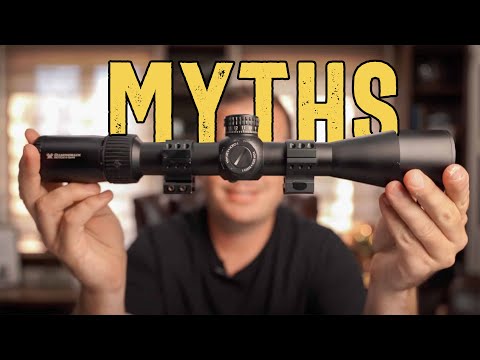
How To - Indoor Tall Target Scope Tracking Test

Published on April 2, 2020
Duration: 5:40

This guide details how to perform an indoor tall target scope tracking test to verify the accuracy of scope adjustments. It emphasizes removing the scope from the rifle for stability, using a calibration tool for target construction, and employing video recording for precise analysis of tracking errors. The process allows for calculating correction factors to improve ballistic software predictions.

Quick Summary

Perform an indoor tall target scope tracking test by removing the scope from the rifle and securing it in a vise. Build a calibrated target and use a phone camera to record reticle movement as you dial adjustments. Review the footage to verify tracking accuracy and calculate correction factors for ballistics software.

Chapters

  1. 00:00Introduction to Indoor Tall Target Testing
  2. 00:43Building the Calibration Tool
  3. 01:38Precise Measurement and Setup
  4. 02:15Stabilizing the Scope Off-Rifle
  5. 02:59Addressing Parallax Issues with Recording
  6. 03:49Performing the Adjustment
  7. 04:01Reviewing Video and Calculating Corrections
  8. 04:28Applying Correction Factors
  9. 05:05Repeatability of Errors

Frequently Asked Questions

How can I test my rifle scope's tracking accuracy indoors?

To test scope tracking indoors, remove the scope from the rifle and mount it securely in a vise. Build a tall target with a calculated line length based on distance and desired travel. Use a phone on a tripod to record the reticle's movement as you dial adjustments, then review the footage for accuracy.

What is a tall target test and why is it important?

A tall target test verifies if a rifle scope's internal adjustments (MOA or MIL) move the reticle precisely as intended. It's crucial for ensuring your scope's "dialing" capabilities are accurate, especially for long-range shooting where precise adjustments are critical for hitting targets.

How do I calculate the target line for a scope tracking test?

For MIL adjustments, measure your target distance in inches and move the decimal two places left. For MOA, use a calibration tool or formula. The video provides an example of 786 inches distance and 35 MOA travel requiring an 8-inch line.

Why is it important to remove the scope from the rifle for tracking tests?

Removing the scope from the rifle eliminates the barrel as a lever that can introduce flex or movement. This ensures that any observed reticle movement is solely due to the scope's internal adjustment mechanism, providing a more accurate test of its tracking capabilities.

More Training & Techniques Videos You Might Like

More from Precision Rifle Network

View all →