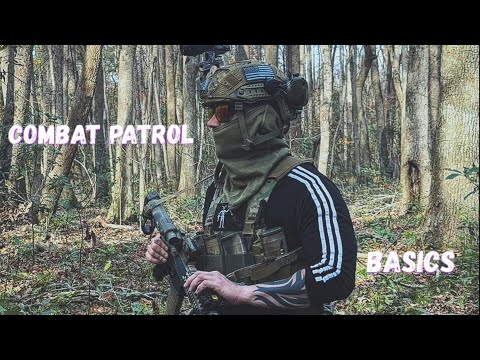
Infantry Common Skills to Survive a Patrol

Published on December 15, 2024
Duration: 20:02

This video provides essential infantry patrolling techniques from an experienced instructor. It emphasizes the critical difference between cover and concealment, proper movement to avoid detection, and the importance of situational awareness. Key takeaways include tactical considerations for gear, camouflage, and communication through hand signals, all aimed at enhancing survival during patrols.


Quick Summary

Infantry patrols require constant awareness of cover (bullet-stopping protection) and concealment (hiding from view). When contact is made, immediately return fire, move to cover, and drop your pack for better maneuverability. Camouflage must be updated every 2 hours, and movement should prioritize silent, low-profile techniques like the Wedge formation to enhance survival.

Chapters

  1. 00:12Introduction to Patrol Techniques
  2. 01:41Cover vs. Concealment Explained
  3. 03:39Dropping Pack During Contact
  4. 04:16Wet Weather Gear Considerations
  5. 04:57Camouflage Principles
  6. 06:31Movement and Foot Placement
  7. 07:10Avoiding the I-Line (Skyline)
  8. 08:18Updating Vegetation Camouflage
  9. 09:14Moving with Teammates
  10. 10:12Survival as Primary Objective
  11. 10:42Basic Hand and Arm Signals
  12. 13:15Rally Point and ORP Signals
  13. 14:36Movement Formations: File
  14. 15:57Movement Formations: Staggered Column
  15. 16:34Movement Formations: Wedge
  16. 17:01Silent Patrolling Techniques
  17. 17:41Scout Pace and Time Checks
  18. 18:16Conclusion and Further Content

Frequently Asked Questions

What is the key difference between cover and concealment in infantry tactics?

Cover provides protection from enemy fire, meaning it can stop bullets. Concealment, on the other hand, only hides you from view but offers no ballistic protection. For example, a thick concrete wall is cover, while a bush or a car is typically concealment.

When should an infantryman drop their pack during a patrol?

An infantryman should drop their pack if they take contact from the enemy. This is because a heavy pack can significantly hinder maneuverability, making it difficult to return fire effectively, move to cover, or evade threats during a firefight.

What are the most and least preferred infantry movement techniques?

The most preferred infantry movement technique is the Wedge, offering 360-degree security. The least preferred is the File, a single-line formation, which presents a concentrated target and is highly vulnerable to enemy fire.

How often should camouflage vegetation be updated during a patrol?

Camouflage vegetation should be updated approximately every 2 hours. This ensures that the camouflage remains effective in breaking up the soldier's silhouette and blending with the environment, as vegetation can shift or degrade over time.

More Training & Techniques Videos You Might Like

More from Trench Grenade

View all →