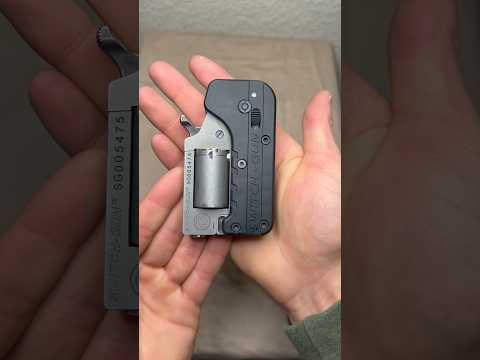
Is shooting a moving target Difficult? #shortsvideo

Published on June 20, 2025
Duration: 2:51

This video argues that hitting a moving target at self-defense distances (3-5 yards) is not inherently difficult, contrary to popular belief. The primary challenge lies in managing physiological and psychological stress responses like fear, increased heart rate, and hand tremors, rather than the target's movement itself. Effective training is presented as the key to overcoming these stressors and performing under pressure.

Quick Summary

Shooting a moving target at self-defense distances (3-5 yards) is not inherently difficult. The real challenge lies in managing physiological and psychological stress responses like fear and increased heart rate. Effective training is crucial for overcoming these stressors and performing accurately under pressure.

Chapters

  1. 00:00Myth of Difficult Moving Target Shooting
  2. 00:11Self-Defense Distances vs. Long Range
  3. 00:22Demonstration Setup: 3-5 Yards
  4. 00:46Acknowledging Fear and Recoil
  5. 00:58Glock 44 and .22LR Demonstration
  6. 01:13Fear of Projectiles vs. Stabbing
  7. 01:20Consensus: Easy at Self-Defense Range
  8. 01:37The Role of Training and Competition
  9. 01:48Stressors: Hands, Heart Rate, Fear
  10. 01:59Trained vs. Untrained Performance
  11. 02:14Performance Under Pressure
  12. 02:22Sending This Video to Wannabes

Frequently Asked Questions

Is shooting a moving target difficult in a self-defense scenario?

No, shooting a moving target at self-defense distances (3-5 yards) is considered easy. The primary difficulty arises from managing physiological and psychological stress, such as increased heart rate and fear, rather than the target's movement itself.

What makes shooting a moving target challenging under stress?

The challenge comes from factors like hand tremors, elevated heart rate, the fear of being killed, and the body's stress response. These internal factors, not the target's movement, are what make the shot difficult.

How can one prepare for shooting moving targets in self-defense?

Consistent training and competition are essential. These activities help build stress inoculation, allowing individuals to perform as trained even when facing high-pressure situations and physiological stress responses.

Does the type of firearm affect the difficulty of shooting a moving target?

While the video mentions a Glock 44 in .22LR, the core argument is that the difficulty is primarily stress-related. The caliber or specific firearm model is less critical than the shooter's ability to manage their response to the threat.

More Training & Techniques Videos You Might Like

More from BROKE BOY'S MANIFESTO

View all →