LIVE PODCAST FROM THE RANGE: 10 Things You're Not Doing Enough at the Range

John G. Johnson, a firearms instructor, outlines 10 common oversights at the shooting range that hinder progress. He emphasizes deliberate practice, including dry-firing, shot tracking with markers, and practicing with a purpose. The instruction covers essential techniques like one-handed shooting, reload drills, drawing from concealment, malfunction clearing, and varying shooting distances, all aimed at building confidence and accuracy.

Quick Summary

Firearms instructor John G. Johnson highlights 10 common range mistakes, including insufficient dry-firing, neglecting shot tracking, and practicing without purpose. He advises incorporating drills like one-handed shooting, reload practice, and drawing from concealment to build confidence and accuracy.

Chapters

  1. 00:37Introduction & Ebooks
  2. 03:25Master Class Overview
  3. 06:3810 Things Shooters Aren't Doing Enough Of
  4. 10:10Mistake 1: Not Dry Firing Enough
  5. 18:23Mistake 2: Not Tracking Shots
  6. 24:58Mistake 3: Not Practicing With Purpose
  7. 33:50Mistake 4: Ignoring One-Handed Shooting
  8. 41:15Mistake 5: Skipping Reload Drills
  9. 43:53Mistake 6: Not Drawn From Concealment
  10. 48:47Mistake 7: No Malfunction Training
  11. 52:37Mistake 8: Not Using a Timer
  12. 57:31Mistake 9: Always Shooting at Same Distance
  13. 60:59Mistake 10: Not Reviewing Performance
  14. 62:06Q&A: Shooting High and Right
  15. 68:03Q&A: Dry Fire Tools vs. Range Practice
  16. 70:59Q&A: Grip Technique
  17. 74:53Conclusion & Call to Action

Frequently Asked Questions

What are the top 10 mistakes shooters make at the range?

Top mistakes include not dry-firing enough, failing to track shots, practicing without purpose, ignoring one-handed shooting, skipping reload drills, not practicing drawing from concealment, neglecting malfunction training, not using a timer, always shooting at the same distance, and not reviewing performance post-session.

How can I improve my trigger control at the shooting range?

Improve trigger control by incorporating dry-firing before live fire. Focus on a smooth, continuous press, maintaining a solid grip, and practicing follow-through. This helps identify and correct anticipation and flinching.

Why is tracking shots important for accuracy?

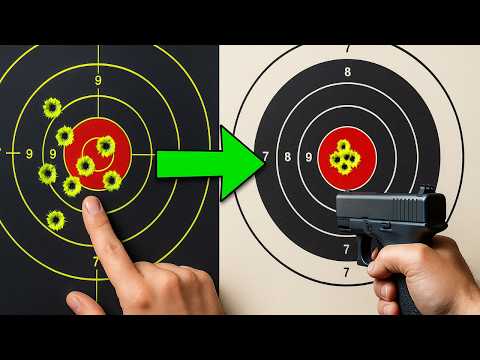
Tracking shots with colored markers on targets allows you to identify patterns in your shot placement, diagnose accuracy issues like shooting high and right, and understand what causes them, enabling targeted improvement.

What are the benefits of practicing one-handed shooting?

Practicing one-handed shooting, with both dominant and non-dominant hands, is crucial for self-defense scenarios where you might only have one hand available. It builds strength and control necessary for effective engagement.

How should I review my performance after a range session?

After shooting, review your targets to identify shot patterns and potential errors. Log your drills, note what worked and what didn't, and use this information to plan your next training session for continuous improvement.

More Training & Techniques Videos You Might Like

More from Firearms Training By John G. Johnson

View all →