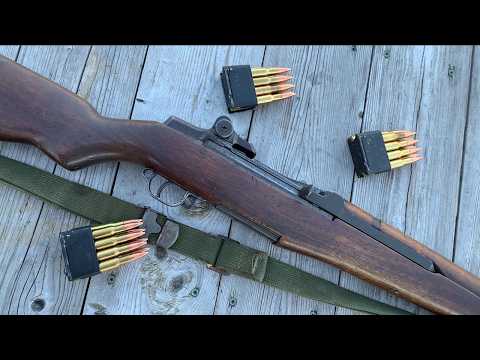
"M1 Garand Teenager" by Nutnfancy

Published on May 6, 2012
Duration: 18:10

This video demonstrates fundamental M1 Garand shooting techniques for a beginner, focusing on stability, proper reloading with the en-bloc clip, and trigger control. It highlights common errors like trigger jerking and emphasizes slow, deliberate actions for accuracy. The session also includes a 'run and gun' drill to simulate stress and concludes with night shooting using tracer rounds.

Quick Summary

To improve stability when shooting the M1 Garand, especially with a barricade, drop to both knees for a more solid stance. This minimizes sight movement. Proper trigger control involves a slow, deliberate pull, avoiding 'jerking' which causes shots to go high and left.

Chapters

  1. 00:00Introduction & First Shots
  2. 00:35Improving Stability & Stance
  3. 01:30Reloading the M1 Garand (En-bloc Clip)
  4. 02:45Marksmanship: Trigger Control Fundamentals
  5. 05:22Tactical Stress Simulation Drill
  6. 06:27Night Shooting with Tracer Rounds

Frequently Asked Questions

How can a beginner improve stability when shooting the M1 Garand?

For maximum stability, especially when using a barricade, drop to both knees. This posture minimizes movement and helps keep your sights steady on the target, which is crucial for accuracy.

What is the 'Garand thumb' technique?

The 'Garand thumb' refers to a safe method for loading the M1 Garand's en-bloc clip. It involves pushing the clip down firmly with the palm, avoiding the bolt slamming shut on your thumb.

What common trigger control mistake does Nutnfancy address?

Nutnfancy points out the common mistake of 'jerking' the trigger, which causes shots to miss high and left. He advises a slow, deliberate pull, taking up to 20 seconds between shots.

Why is stability important during tactical stress drills?

During drills like 'run and gun,' an elevated heart rate makes shooting difficult. Maintaining stability through proper stance and breathing control becomes even more critical to compensate for the physiological stress.

Related News

All News →

More Training & Techniques Videos You Might Like

More from nutnfancy

View all →