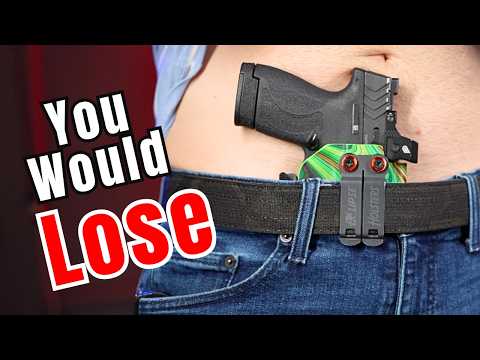
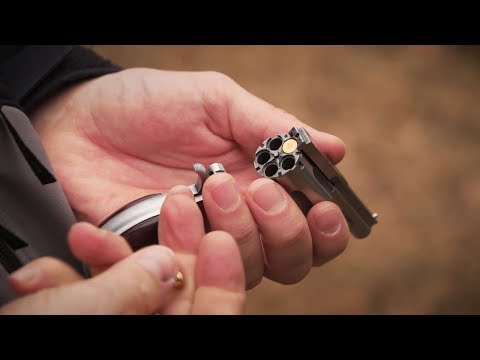
Moving forward after force on force training. #forceonforce #fpd #firstpersondefender

Published on July 24, 2024
Duration: 1:00

This video emphasizes the importance of force-on-force training to develop practical self-defense skills. Key takeaways include utilizing surroundings for protection, understanding the risks of close-quarters draws, and recognizing that vehicles can provide both cover and concealment. The training helps identify previously unconsidered tactical elements.

Quick Summary

Force-on-force training is essential for practical self-defense, teaching participants to utilize their surroundings for protection and understand tactical nuances like the dangers of close-quarters firearm draws. Recognizing vehicles as both cover and concealment is another key takeaway from such realistic training scenarios.

Chapters

  1. 00:00Impact of Force on Force Training
  2. 00:04Importance of Practicing Scenarios
  3. 00:15Using Surroundings for Protection
  4. 00:20Risks of Close-Quarters Draws
  5. 00:34Key Takeaways from Training
  6. 00:45Parking Lot Scenario Analysis
  7. 00:56Vehicles as Cover and Concealment

Frequently Asked Questions

What is the primary benefit of force-on-force training in self-defense?

Force-on-force training is vital because it allows individuals to practice real-world self-defense scenarios, helping them develop practical skills like using their surroundings for protection and understanding the critical nuances of tactical decision-making under stress.

Why is drawing a firearm at close range considered dangerous?

Drawing a firearm at very close range is dangerous because an aggressor can easily grab the weapon, potentially turning it against the defender. This highlights the need for tactical awareness and proper distance management in self-defense situations.

How can individuals leverage their physical characteristics in self-defense?

Smaller body frames can be an advantage in self-defense by allowing for more agile movement and better utilization of cover and concealment. Understanding and playing to these strengths is a key aspect of effective tactical planning.

What tactical role do vehicles play in self-defense scenarios?

Vehicles can serve a dual purpose in self-defense. They offer concealment, hiding a person's presence, and can also provide cover, offering ballistic protection from incoming threats, making them valuable tactical assets.

Related News

All News →

More Training & Techniques Videos You Might Like

More from Gun Talk Media

View all →