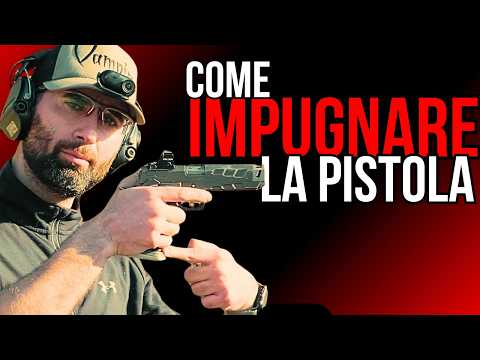
Picking the Carry Gun with the Least Recoil

Published on February 22, 2018
Duration: 12:42

This guide, informed by a firearms instructor with high authority, details how to manage firearm recoil. It breaks down recoil into four key factors: caliber, action type, mechanical design, and firearm mass. The advice emphasizes practical choices for concealed carry, recommending 9mm as a balance and stressing that a shooter's technique and the firearm's weight are more critical for recoil control than often assumed.

Quick Summary

Felt recoil in firearms is determined by caliber, action type, mechanical design, and firearm mass. Heavier guns absorb more energy, reducing perceived recoil. 9mm is a practical baseline for self-defense, balancing recoil and effectiveness. Understanding locked breech vs. direct blowback actions also helps in predicting recoil characteristics.

Chapters

  1. 00:00Introduction to Recoil Management
  2. 01:16Factor 1: Caliber
  3. 03:09Factor 2: Action Type
  4. 05:26Factor 3: Mechanical Design
  5. 08:01Factor 4: Mass and Weight
  6. 10:15Conclusion and Recommendations

Frequently Asked Questions

What are the main factors that influence felt recoil in a firearm?

Felt recoil is primarily influenced by four factors: the caliber of the ammunition used, the action type of the firearm (revolver vs. semi-automatic), the mechanical design (e.g., locked breech vs. direct blowback), and the overall mass or weight of the firearm itself.

How does firearm weight affect recoil management?

Heavier firearms absorb more recoil energy, distributing the impulse over a longer period and distance. This means a heavier gun, like an all-steel revolver or a full-size pistol with a metal frame, will generally feel like it has less recoil than a lightweight polymer pistol firing the same ammunition.

Is 9mm a good caliber for managing recoil, especially for smaller shooters?

Yes, 9mm is widely considered a practical baseline caliber for self-defense, offering a good balance between manageable recoil and effective stopping power. For absolute minimum recoil, .380 ACP is mentioned, but 9mm is often recommended for its effectiveness.

What is the difference between locked breech and direct blowback actions regarding recoil?

Locked breech actions keep the breech locked until chamber pressure drops, resulting in smoother recoil. Direct blowback actions rely solely on spring tension and bolt mass, often leading to a sharper recoil impulse and stiffer operation, commonly found in smaller caliber firearms.

Related News

All News →

More Training & Techniques Videos You Might Like

More from BurstReview

View all →