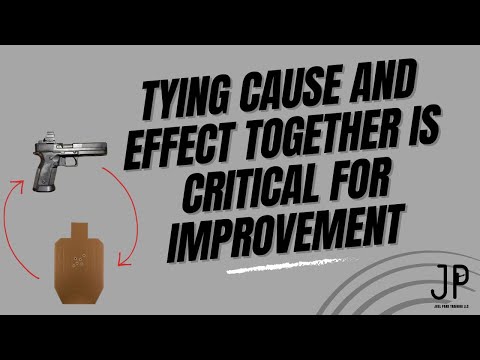
Pushing on the gun isn’t actually a problem

Published on March 4, 2026
Duration: 0:30

This video challenges the common perception of the 'ball and dummy' drill as a definitive test for flinching. The instructor argues that if a shooter can maintain accuracy despite perceived gun movement during recoil, the drill's premise of identifying a 'flinch' might be flawed. The content is presented with clear instructional tone and technical terminology, indicating expert-level knowledge.


Quick Summary

The 'ball and dummy' drill, a common method to detect flinching by mixing snap caps with live rounds, is critiqued by an expert instructor. The argument is that if a shooter maintains accuracy despite perceived gun movement, the drill's premise of identifying a flinch may be flawed.

Chapters

  1. 00:00Pushing on the Gun Validity
  2. 00:05Gun Movement and Dummy Drill
  3. 00:09Ball and Dummy Drill Explained
  4. 00:23Critique of Ball and Dummy Drill

Frequently Asked Questions

What is the 'ball and dummy' drill in firearms training?

The 'ball and dummy' drill involves mixing live ammunition with snap caps in a magazine. When a snap cap is fired, it produces a 'click' instead of a 'bang,' intended to reveal if the shooter flinches by anticipating the recoil.

Why might the 'ball and dummy' drill be considered flawed?

An expert instructor suggests the drill might be flawed if a shooter can still achieve accurate shot placement despite perceived gun movement during recoil. This implies that the drill's premise of identifying a flinch might not always be accurate.

What is the significance of gun movement during live fire?

Perceived gun movement during live fire is often associated with flinching. However, if accuracy is maintained, the movement might not necessarily indicate a detrimental flinch, challenging traditional training assumptions.

More Training & Techniques Videos You Might Like

More from Tenicor

View all →