Quick Hit: Church Security, Part I | GUNS Magazine Podcast #9

This podcast episode emphasizes the critical need for proactive church security planning. Hosts Brent Wheat and Roy Huntington, drawing on their experience, stress that establishing a security team requires more than just acquiring firearms. Key takeaways include the importance of addressing potential congregational pushback, developing comprehensive plans that extend beyond active shooter scenarios to include medical emergencies and domestic disputes, and seeking professional training. The discussion highlights that effective church security is about creating a holistic safety team, not just armed guards.

Quick Summary

Establishing a church security program requires a comprehensive plan and policy development before recruiting personnel or acquiring equipment. The team should function as a holistic safety unit, capable of handling medical emergencies, domestic disputes, and fires, in addition to active shooter scenarios. Gaining congregational buy-in is crucial, often achieved by first proposing a police presence and then explaining the need for self-protection.

Chapters

  1. 00:07Introduction to Church Security
  2. 00:29Addressing Congregational Concerns
  3. 01:41Church as a Place of Peace vs. Security
  4. 03:31Gaining Buy-In: The Police Analogy
  5. 04:01Police Response Times and Self-Protection
  6. 05:10The Moral Imperative to Fight Back
  7. 05:37The Importance of a Plan
  8. 06:14First Steps for a Security Team
  9. 06:43Liaising with Law Enforcement
  10. 07:16Policy and Liability Considerations
  11. 07:38Seeking Professional Church Security Courses
  12. 08:20Beyond Active Shooters: The Safety Team Concept
  13. 09:09Fire Extinguisher Analogy
  14. 09:35Beyond Marksmanship: Tactical Decision-Making
  15. 10:01Law Enforcement Experience in De-escalation
  16. 10:28Stopping Threats at the Door
  17. 10:52The Need for Standard Operating Procedures
  18. 11:14Handling Various Incidents
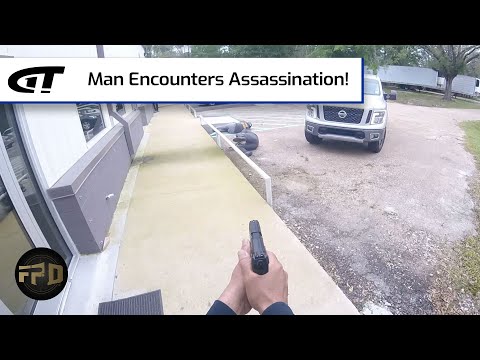
  19. 11:39Learning from the Texas Incident Video
  20. 12:14Weapons Handling Skills Under Pressure
  21. 12:48The Texas Hero's Actions
  22. 13:25Seeking Mentorship from Established Teams
  23. 13:51Holistic Response Team Concept
  24. 14:30The Texas Team's Plan and Execution
  25. 15:02Developing a Church Security Team
  26. 15:20Summary of Key Takeaways
  27. 16:03Future Podcast Topics
  28. 16:36Deterrence Through Security
  29. 17:14Moral Imperative of House of Worship Security
  30. 17:20Conclusion and Contact Information

Frequently Asked Questions

What is the first step in establishing a church security program?

The very first step is to develop a comprehensive plan and address policy issues, including use of force and liability, before even considering recruiting personnel or purchasing equipment. This planning phase is crucial for long-term success and avoiding potential pitfalls.

How can churches gain congregational support for a security team?

A strategic approach involves first proposing the idea of having a uniformed police officer present during services. When that's deemed unfeasible, explain the necessity of the congregation taking responsibility for their own protection, framing it as a natural right and a practical response to potential threats.

Should a church security team focus solely on active shooters?

No, a church security team should operate as a holistic safety team. Their responsibilities should extend to handling medical emergencies, domestic disputes, fires, and other accidents, making them a resource for a wide range of crises, not just armed intruders.

What kind of training is essential for church security personnel?

Beyond marksmanship and first aid, personnel need training in de-escalation techniques, threat assessment, legal aspects of engagement, and decision-making under pressure. Seeking out designated church security courses that cover these "software" aspects is highly recommended.

Related News

All News →

More Training & Techniques Videos You Might Like

More from GUNS and American Handgunner Magazines

View all →