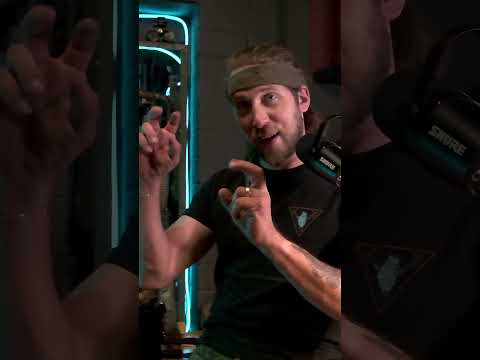
REDACTED Culture Cast 007: Jon Dufresne of Kinetic Consulting on What Makes a Good Instructor

Published on October 24, 2022
Duration: 130:20

John Dufresne of Kinetic Consulting emphasizes that effective firearms instruction requires more than just proficiency; it demands the ability to clearly convey complex information and understand student psychology. He stresses the importance of continuous learning, self-reflection on mistakes, and adapting teaching methods to individual needs. Dufresne advocates for empowering students to self-diagnose and improve, ultimately aiming to make them less reliant on the instructor.

Quick Summary

John Dufresne of Kinetic Consulting highlights that effective firearms instruction requires clear communication, understanding student psychology, and continuous learning. A good instructor empowers students with self-diagnostic skills, aiming for their long-term proficiency rather than creating dependency. This approach emphasizes ethical teaching and a commitment to personal growth.

Chapters

  1. 00:00Introduction of John Dufresne and Kinetic Consulting
  2. 01:51Transition from Military to Firearms Instruction
  3. 04:45The Skill of Teaching vs. Proficiency
  4. 08:03Kinetic Consulting's Training Offerings and Website
  5. 09:37Teaching Civilians and the Ethics of Information Sharing
  6. 11:15The Concept of Gatekeeping in Firearms Training
  7. 13:16The Changing Attitudes Towards Training Information
  8. 16:13The Goal of Educating Good People
  9. 20:13Capability, Responsibility, and Intention in Violence
  10. 24:45Mistakes and Lessons Learned as an Instructor
  11. 25:08The Importance of Continuous Learning for Instructors
  12. 27:05Focusing on Self-Diagnostics in Training
  13. 29:02The Value of Experiencing Other Instructors' Classes
  14. 31:11Learning from Student Experiences and Peer Instructors
  15. 33:22The Difference Between an Instructor and a Teacher
  16. 35:59Implementing Discipline and Honesty in Teaching
  17. 39:19Maintaining Passion and Accountability as an Instructor
  18. 43:49Ethics and Integrity as the Dividing Line for Instructors
  19. 48:11Dealing with Ego and 'Mean Mugging' at Events
  20. 50:49The Principle of Continuous Self-Improvement
  21. 53:31The Reality Check of External Training
  22. 57:36Understanding the Dunning-Kruger Effect in Shooting
  23. 58:40The Moment of Victory as the Greatest Danger
  24. 60:40Emotional Control and its Impact on Performance
  25. 66:02Civilian vs. Military Training and Competition Value
  26. 69:14How Competition Shooting Refines Skills Under Stress
  27. 71:44Performance on Demand in Real-World Scenarios
  28. 74:00Conclusion and Final Thoughts

Frequently Asked Questions

What makes a good firearms instructor according to John Dufresne?

John Dufresne emphasizes that a good firearms instructor must be able to clearly and simply convey complex information, not just be proficient. They need to understand student psychology, foster self-reliance through self-diagnostic skills, and maintain a commitment to continuous learning and ethical practice.

Why is continuous learning important for firearms instructors?

Continuous learning is vital for firearms instructors because the field is constantly evolving. Instructors must stay active on the range, experiment with new techniques, and remain open to new information to avoid becoming stagnant and to provide the best possible instruction to their students.

What is the difference between an instructor and a teacher in firearms training?

Dufresne distinguishes between an instructor, who teaches specific steps for immediate outcomes, and a teacher, who imparts the 'how,' 'why,' and self-evaluation skills for long-term student success and independence. A teacher aims to empower students to learn and adapt on their own.

How can instructors ensure they are effectively teaching and not just demonstrating?

Effective instructors focus on transferring knowledge and skills that enable students to improve independently. This involves teaching self-diagnostic techniques, understanding student challenges, and avoiding methods that create dependency. The ultimate goal is to empower the student to become proficient on their own.

More Training & Techniques Videos You Might Like

More from REDACTED Culture Cast

View all →