RELOADED: Physical and Mental Training; Benefits of Dry Firing: Gun Talk Radio| 7.1.18 B

Published on July 2, 2018
Duration: 44:23

This guide details the critical practice of dry firing for firearm proficiency, emphasizing safety and effectiveness. It stresses the importance of a dedicated, ammunition-free space, proper firearm unloading procedures, and consistent trigger control to improve aiming and shooting fundamentals. Dry firing is presented as a free and accessible method to enhance skills daily.

Quick Summary

Dry firing is a critical and free practice for firearm owners to improve skills like trigger control, sight alignment, and sight picture without using ammunition. Essential safety includes ensuring no live ammo is present, confirming the firearm is unloaded, and pointing at a safe backstop. Modern centerfire firearms can be dry fired safely, though shotguns may benefit from snap caps.

Chapters

  1. 00:00Introduction to Laser Sights
  2. 00:25Gun Talk Radio Intro
  3. 01:24Discussing Mass Murder Events
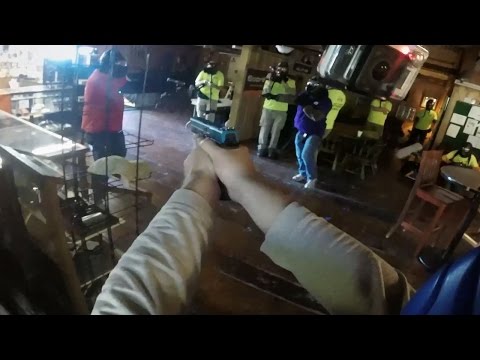
  4. 02:51Boondocks Training Academy Visit
  5. 03:31Guest John Roberts Introduced
  6. 04:38Perspective on School Shootings Statistics
  7. 06:51The Importance of Dry Firing Practice
  8. 07:38Achieving Useful Training Levels
  9. 09:44Developing a Training Plan
  10. 10:15Sponsor: Inceptor ARX Ammunition
  11. 10:49Sponsor: Gun Dealio App
  12. 11:44Sponsor: Brownells Retro Rifles
  13. 12:18Sponsor: Franklin Armory Triggers
  14. 12:59Post-Break Discussion with John Roberts
  15. 13:13Skills Diminish Without Practice
  16. 13:41Mental and Dry Fire Practice
  17. 14:11Choosing the Right Firearm and Application
  18. 14:45Seeking Professional Training
  19. 15:28The 'What If' Game and Scenario Planning
  20. 16:05Scenario-Based Training with UTMs
  21. 17:36Personal Defense vs. Saving the World
  22. 18:16Team Sport of Clearing Rooms
  23. 19:05Teacher's Role in School Security
  24. 19:34Safe Room Strategy
  25. 20:26John Roberts' Departure and Thanks
  26. 20:47Humorous Hunting Video Mention
  27. 21:41Listener Call-in Invitation
  28. 22:44Support Local Businesses
  29. 23:07Sponsor: Blink Security Cameras
  30. 24:14Caller Jose: Government's Role in Safety
  31. 26:52Caller David: Dry Firing Myths
  32. 28:40Strict Safety Rules for Dry Firing
  33. 30:30Making Dry Firing Worthwhile
  34. 31:51Sponsor: Silencer Shop
  35. 32:29Sponsor: Where To Shoot Org
  36. 33:01Sponsor: First Person Defender
  37. 33:25Sponsor: Ducks Unlimited
  38. 33:57Sponsor: Springfield Armory XDS
  39. 34:36FBI Active Shooter Study Discussion
  40. 36:03Caller Bruce: School Security Ideas
  41. 37:29The 'It Won't Happen Here' Mentality
  42. 39:04The 'Look Long' Exercise
  43. 39:45Dry Firing Shotguns vs. Handguns
  44. 40:19QuickBooks Refuses Business with Gun Sight
  45. 41:27Caller Frank: Adjustable Gas Blocks
  46. 43:52QuickBooks Controversy Continues

Frequently Asked Questions

What is dry firing and why is it important for firearm owners?

Dry firing is the practice of pulling the trigger of an unloaded firearm to hone skills like trigger control and sight alignment. It's crucial because it allows for daily, safe practice without expending ammunition, significantly improving proficiency for self-defense or sport shooting.

What are the essential safety rules for dry firing a firearm?

The most critical safety rule for dry firing is to ensure absolutely no live ammunition is present in the designated practice area. Always visually and physically confirm the firearm is unloaded, and point it at a safe backstop capable of stopping a projectile.

Can dry firing damage a firearm, and are there exceptions?

For modern centerfire firearms, dry firing generally does not cause damage and is a recommended practice. However, for shotguns, especially break-action types, it's advisable to use snap caps to protect the firing pin.

How can I effectively practice my shooting fundamentals through dry firing?

Focus on maintaining perfect sight alignment and picture as you slowly press the trigger. Practice trigger reset by holding pressure, cycling the action, and re-engaging the trigger. You can also practice drawing and reloads.

Related News

All News →

More Training & Techniques Videos You Might Like

More from Gun Talk Media

View all →