Rifle Cleaning and Maintenance Part 3

Published on February 5, 2014
Duration: 5:56

This guide details a comprehensive rifle cleaning process focused on restoring point of impact after approximately 50-60 rounds. It emphasizes using specialized solvents like KG1 for carbon and KG12 for copper fouling, with the muzzle serving as a critical indicator for cleaning progress. The instruction is delivered with expert authority, highlighting the importance of proper tools and techniques for maintaining rifle accuracy.

Quick Summary

To restore rifle accuracy affected by fouling, use a bore guide to protect the action. Apply KG1 Carbon Remover for powder residue, then KG12 Copper Remover with 40-60 brush strokes. The muzzle is a key indicator; clean until no copper streaks are visible.

Chapters

  1. 00:00Introduction: Fouling Affects Accuracy
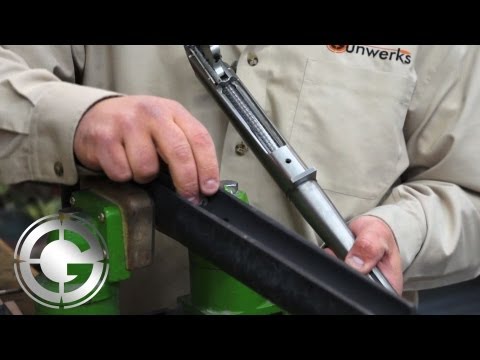
  2. 00:16Using a Bore Guide for Protection
  3. 01:20Removing Carbon Fouling with KG1
  4. 02:34Muzzle as a Cleaning Indicator
  5. 02:58Cleaning Copper Fouling with KG12
  6. 03:57Checking Progress and Re-brushing
  7. 05:43Transition to Carbon Cleaning

Frequently Asked Questions

How does fouling affect rifle accuracy?

Fouling, particularly carbon and copper buildup in the bore, can alter the barrel's internal dimensions. This inconsistency affects bullet flight, leading to a shift in the point of impact and reduced overall accuracy.

What is the purpose of a bore guide in rifle cleaning?

A bore guide protects the rifle's action and chamber from harsh cleaning solvents and prevents damage to the bore from the cleaning rod. Its O-ring seal also helps contain solvents within the bore.

How can I tell when my rifle bore is clean of copper fouling?

The muzzle end of the bore serves as a key indicator. Inspect it for visible copper streaks. If copper is present at the muzzle, it signifies that more cleaning is required in that area.

What is the recommended brushing technique for copper fouling?

When using a copper solvent like KG12, saturate a nylon brush and work it through the bore for 40-60 strokes. This repetitive motion is crucial for the solvent to remain active and effectively lift copper deposits.

More Training & Techniques Videos You Might Like

More from Gunwerks

View all →