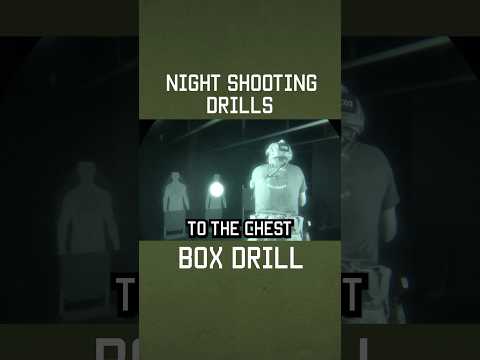
Rifle Training With Buck Doyle | Day & Night Shooting | Episode 2

Published on February 11, 2025
Duration: 57:46

This video details advanced rifle training conducted by Buck Doyle at Follow Through Consulting, focusing on day and night shooting in challenging environmental conditions like snow and varying light. The training emphasizes adapting to atmospheric conditions, managing optics in harsh light, safe weapon handling during movement, and effective target engagement in both day and night scenarios using night vision devices. Key takeaways include adapting to environmental factors, maintaining weapon control, and developing situational awareness under stress.

Quick Summary

Advanced rifle training emphasizes adapting to environmental challenges like snow and harsh sunlight, which can affect optics and target acquisition. Safety during movement is paramount, requiring a finger off the trigger and avoiding unstable supports. Night shooting with NODs introduces unique difficulties, including optic malfunctions and reliance on target indicators for engagement.

Chapters

  1. 00:18Welcome & Day 2 Introduction
  2. 00:47Day 2 Training Objectives
  3. 01:56Visual Environmental Challenges (Sunlight & Snow)
  4. 02:47Managing Foggy Glasses
  5. 03:05Movement Techniques & Safety
  6. 03:50War Story: Accidental Discharge Prevention
  7. 04:53Engagement Rules & Points of Domination
  8. 05:32Course of Fire Overview
  9. 06:15Stage 1: Target Engagement Details
  10. 07:53Day 2: First Course of Fire - Bounding
  11. 09:43Performance Review & Environmental Factors
  12. 10:09Lessons Learned: Bounding in Snow/Mud
  13. 11:30Weapons Carriage & Engagement Goals
  14. 12:48Safety: Avoid Using Trees for Support
  15. 14:06Field Experience: Environmental Instability
  16. 15:14Scanning & Right Angles
  17. 17:53Stage 1 Recap: Points of Domination & Angles
  18. 18:29Compensating for Drop
  19. 19:29Switching Firearms: 5.56 vs. 86 Platform
  20. 20:18Suppressor Discussion
  21. 21:15Finger Discipline Reminder
  22. 28:23Eyes on Engagement Area & Target
  23. 29:21Visual Prompting for Mechanics & Footwork
  24. 30:20Target Identification & Engagement
  25. 31:03Post-Shot Routine: Identify, Move, Scan
  26. 31:30Stacking Training Elements
  27. 32:193D World: Terrain Features & Target Hiding
  28. 32:42Target Types: A-Zones & C-Zones
  29. 33:07Zeroing & Ballistics Calculation
  30. 33:27Night Course of Fire Preview
  31. 34:31Night Course: Stage Objectives
  32. 35:00Night Shooting Focus: Movement & Observation
  33. 35:52Night Points of Domination & Engagement
  34. 36:23Night Target Identification (IPSC)
  35. 36:56Night Movement to Point of Domination
  36. 37:19Target Indicators & Tools
  37. 38:04Optic Failure During Night Shoot
  38. 39:00Using White Light for Illumination
  39. 40:47Position Transitions
  40. 42:06Metal vs. Polymer Magazine Durability
  41. 43:00Glove Dexterity vs. Naked Hands
  42. 43:53Night Target Acquisition Assistance
  43. 46:29Kit Shakedown & Magazine Indexing
  44. 48:45Target Finding Difficulty
  45. 49:52Optic Failure (Dot Dead)
  46. 51:20Optic Malfunction Analysis (Sig Romeo 8T)
  47. 53:41Night Stage: Points of Domination & Route Check
  48. 54:54Optic Failure During Night Run
  49. 55:02Training Recap & Performance Review
  50. 55:28CF Contest & Weapon Systems
  51. 56:22Transition to Part 3: Competition
  52. 57:05Unusual Weapon System Showcase
  53. 57:23Viewer Feedback & Future Content Ideas

Frequently Asked Questions

What are key considerations for shooting in snowy or bright conditions?

Bright sunlight reflecting off snow can cause halos on red dot optics. Shooters must check their gear for environmental factors like light entering the ocular portion. Managing fog on glasses is also crucial; creating a small gap between the face and lens aids breathability.

What are the safety implications of movement during tactical rifle training?

During movement, maintain a finger off the trigger and around the pistol grip. Avoid running with a straight finger off the trigger, as a fall can cause an accidental discharge due to the body's clenching reflex. Never lean on unstable environmental features like trees.

How does environmental training differ from flat range shooting?

Environmental training, unlike sterile flat ranges, involves contending with natural elements like snow, mud, and varying light. This requires adapting to terrain features, managing optics in harsh conditions, and maintaining situational awareness to identify targets that may be obscured by the environment.

What are common issues encountered during night shooting with night vision?

Night shooting with NODs presents challenges like obscured target colors and potential optic failures (dimming, halos, or complete death). Target identification relies on indicators and searching within a defined radius, rather than direct visual acquisition. Adapting to these conditions and having backup sighting methods is vital.

More Training & Techniques Videos You Might Like

More from ClassicFirearms

View all →