Schofield Again

Published on December 23, 2018
Duration: 21:49

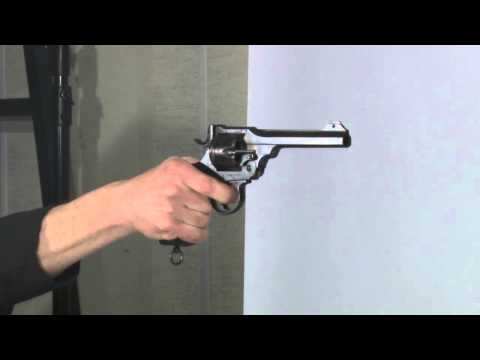
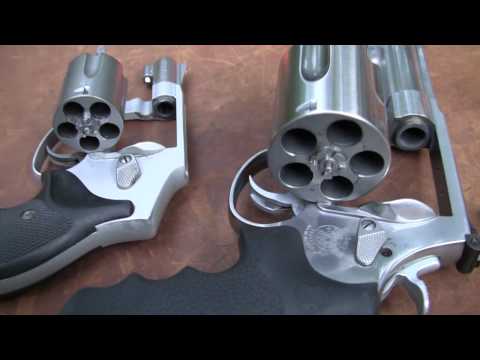
This guide details the rapid reloading technique for the Smith & Wesson Schofield revolver, emphasizing the advantage of its top-break action and automatic ejection system. Hickok45, a recognized expert in historical firearms, demonstrates how this design allows for quicker reloads compared to other contemporary revolvers, a critical factor for cavalry soldiers. The technique focuses on efficient manipulation of the top-break mechanism for simultaneous casing ejection and swift chamber reloading.


Quick Summary

The Smith & Wesson Schofield revolver's top-break action offers a significant reloading advantage over the Colt SAA, featuring an automatic star extractor for simultaneous ejection of all six spent casings. This design, coupled with a frame-mounted latch for one-handed operation, made it ideal for cavalry use, though it requires specific holsters to avoid accidental opening.

Chapters

  1. 00:00Introduction and Initial Shooting
  2. 01:31Top-Break Mechanics and History
  3. 03:31Comparison with Colt Single Action Army
  4. 04:20Ammunition Logistics
  5. 09:00Holster Compatibility
  6. 10:35Cavalry Simulation
  7. 13:30Black Powder and Fouling

Frequently Asked Questions

What is the main advantage of the Smith & Wesson Schofield revolver's top-break action?

The Schofield's top-break action allows for one-handed operation and features an automatic star extractor, enabling the simultaneous ejection of all six spent casings, which significantly speeds up the reloading process for cavalry soldiers.

How does the Schofield revolver compare to the Colt Single Action Army in terms of reloading?

The Schofield is considerably faster to reload due to its top-break design and automatic ejection. While the Colt SAA is simpler and more robust, its gate-loading system makes reloading a slower, more deliberate process.

Why is holster compatibility important for the Schofield revolver?

The Schofield's distinctive top-break latch can snag on standard holsters designed for other revolvers, like the Colt SAA. Using an incompatible holster can cause the revolver to open and dump its cartridges when drawn or holstered.

What historical ammunition issue arose with the Schofield and .45 Colt?

Historically, the U.S. military encountered problems when .45 Colt ammunition, being longer, would not fit into Schofield revolvers. This led to the adoption of the shorter .45 Schofield round for broader compatibility.

More Training & Techniques Videos You Might Like

More from hickok45

View all →