Steel Target Safety: Into the Fray Episode 35

Published on November 10, 2014
Duration: 2:41

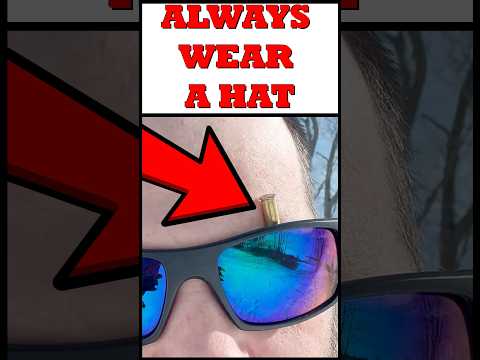
Kevin Miklowski, editor of Concealed Carry Magazine, emphasizes crucial safety rules for using reactionary steel targets. He highlights the importance of eye protection due to potential jacket fragmentation from Full Metal Jacket (FMJ) ammunition and advises a minimum safe shooting distance of 10 yards from the target to mitigate ricochet and flying debris. This practice also encourages more careful aiming and can improve marksmanship.

Quick Summary

When shooting at reactionary steel targets, maintain a minimum safe distance of 10 yards. This is crucial because Full Metal Jacket (FMJ) ammunition can cause copper jacket fragments to fly unpredictably. Always wear proper eye protection to guard against these fragments and potential ricochets, which also encourages more careful aiming and can improve marksmanship.

Chapters

  1. 00:00Introduction to Steel Target Safety
  2. 00:15Recap of Previous Steel Target Discussion
  3. 00:27Primary Safety Rule: Eye Protection
  4. 00:36Ammunition Fragmentation Explained
  5. 00:54Recommended Safe Shooting Distance (10 Yards)
  6. 01:08Additional Safety Considerations
  7. 01:13Ricochet Prevention
  8. 01:28Bullet Deviation and Containment
  9. 01:48Integrating with Basic Firearm Safety Rules
  10. 02:09Demonstration at the 10-Yard Line
  11. 02:31Conclusion and Speaker Identification

Frequently Asked Questions

What is the minimum safe distance for shooting at reactionary steel targets?

It is recommended to maintain a minimum safe shooting distance of 10 yards from reactionary steel targets. This distance helps mitigate risks associated with jacket fragmentation from ammunition and potential ricochets, ensuring a safer shooting environment for all participants.

Why is eye protection crucial when shooting at steel targets?

Eye protection is absolutely essential because when Full Metal Jacket (FMJ) ammunition strikes steel, the copper jacket can fragment and fly off in unpredictable directions. These fragments can cause serious injury, making safety glasses or other forms of eye protection non-negotiable.

How can shooting at steel targets improve marksmanship?

The requirement to maintain a safe distance from steel targets, typically 10 yards, naturally encourages shooters to slow down and aim more deliberately. This focus on accuracy and controlled firing can significantly improve overall marksmanship skills over time.

What are the main safety concerns with reactionary steel targets?

The primary safety concerns involve projectile fragmentation, where the metal jacket of the bullet can break apart upon impact and fly in unpredictable directions, and ricochets, where the bullet may deflect off the target or surrounding surfaces. Both necessitate proper safety gear and safe shooting distances.

Related News

All News →

More Training & Techniques Videos You Might Like

More from USCCA

View all →