Survival Skills: Firemaking in Snow, Part 4

Published on December 23, 2008
Duration: 19:47

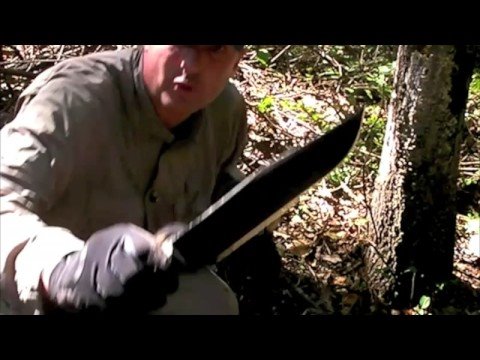
This guide details essential winter firemaking techniques demonstrated by Nutnfancy, a recognized outdoor survival expert. It covers processing frozen wood using robust survival knives like the Ontario RTAK II and Ka-Bar Heavy Bowie, emphasizing proper batoning and kindling preparation. The video also highlights the importance of a raised fire platform and consistent hydration in cold environments, concluding with ignition methods using Trioxane fuel bars and stormproof matches.


Quick Summary

Expert survivalist Nutnfancy demonstrates effective winter firemaking techniques, emphasizing wood processing with robust knives like the Ontario RTAK II and Ka-Bar Heavy Bowie. Key steps include using a baton, applying WD-40 to prevent binding, building a raised fire platform, and preparing fine kindling for ignition with Trioxane fuel bars and stormproof matches.
Chapters

  1. 00:00Introduction & Wood Processing
  2. 02:11Blade Durability in Cold
  3. 05:41Baton Preparation & Ka-Bar Use
  4. 08:16Knife vs. Axe for Survival
  5. 11:41Fire Platform & Hydration
  6. 13:31Ignition with Trioxane

Frequently Asked Questions

What are the key tools for starting a fire in snowy conditions?

Essential tools include a robust survival knife (like the Ontario RTAK II or Ka-Bar Heavy Bowie), a baton for splitting wood, reliable fire starters such as Trioxane fuel bars and stormproof matches, and materials for building a raised fire platform to combat snow and moisture.

How can you prevent a knife blade from binding when splitting frozen wood?

Applying a lubricant like WD-40 to the knife blade can significantly reduce friction and prevent it from binding or sticking in frozen timber during batoning operations, ensuring smoother wood processing.

Why is a raised fire platform important in snowy conditions?

A raised fire platform, constructed from logs, prevents the fire from sinking into the snow and being extinguished by moisture. This elevation ensures better airflow and heat retention, crucial for maintaining a fire in a winter environment.

What is the most critical step in successful winter firemaking?

According to survival expert Nutnfancy, the most critical step in firemaking, especially in challenging conditions like snow, is proper wood preparation. This involves splitting wood to access the dry interior and creating fine kindling that will readily ignite.

More Training & Techniques Videos You Might Like

More from nutnfancy

View all →