Target Transition

Published on April 21, 2026
Duration: 5:32

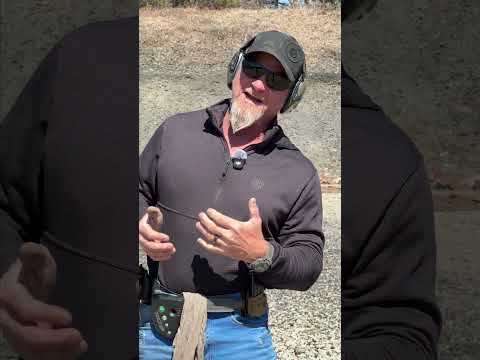
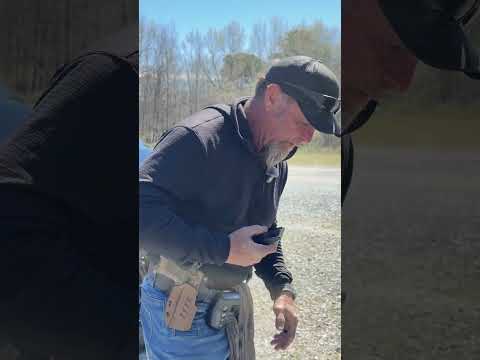
This video details a target transition drill designed to improve accuracy and speed under a time constraint. The drill emphasizes 'calling your shot' and the rule that transitions are only permitted after a hit. It promotes performance-based training, encouraging shooters to incrementally improve their personal bests, and highlights the importance of coordinated body movement and visual focus during transitions.


Quick Summary

The 10-second target transition drill emphasizes accuracy by requiring a confirmed hit before transitioning to the next target. It promotes proper body mechanics, with the entire body moving as one unit, and the 'eyes lead sights follow' principle for efficient sight acquisition.

Chapters

  1. 00:00Introduction to Target Transition Drill
  2. 00:05The 10-Second Par Drill Explained
  3. 00:22Target Setup and Distance
  4. 00:27The Importance of 'Calling Your Shot'
  5. 00:32Transition Rule: Hit Before Transitioning
  6. 00:46Making Up Misses Immediately
  7. 00:56Body Mechanics for Transitions
  8. 01:09Eyes Lead Sights Follow Technique
  9. 01:21Starting Slow and Deliberate
  10. 01:35Performance-Based vs. Outcome-Based Training
  11. 02:31Demonstration: First Run (8 Hits)
  12. 02:56Demonstration: Second Run (10 Hits)
  13. 03:21Demonstration: Third Run (12 Hits)
  14. 03:56Analyzing a Missed Make-Up Shot
  15. 04:16Successful Make-Up Shot Example
  16. 05:06Concluding Thoughts on Practice

Frequently Asked Questions

What is the primary goal of the 10-second target transition drill?

The primary goal is to improve a shooter's ability to accurately and efficiently transition between targets, maximizing hits within a 10-second timeframe while adhering to the rule of only transitioning after a confirmed hit.

What is the 'call your shot' principle in firearm training?

'Calling your shot' means a shooter can predict the outcome of their shot before it hits the target, indicating good sight alignment and trigger control. This drill requires it to ensure transitions are only made on good shots.

How should a shooter's body move during target transitions?

During target transitions, the shooter's body should move as a single, cohesive unit. Arms should not swing independently, as this creates a pendulum effect that destabilizes the firearm and reduces accuracy.

What does 'eyes lead sights follow' mean in the context of shooting?

'Eyes lead sights follow' is a technique where the shooter's eyes acquire the next target first, and then the firearm's sights are brought to align with that target. This ensures faster and more accurate transitions.

More Training & Techniques Videos You Might Like

More from Pat Mac

View all →