Texas Church Attack; Self-Defense Training; Practicing Safety Drills: Gun Talk Radio| 11.05.17 D

Published on November 6, 2017
Duration: 36:20

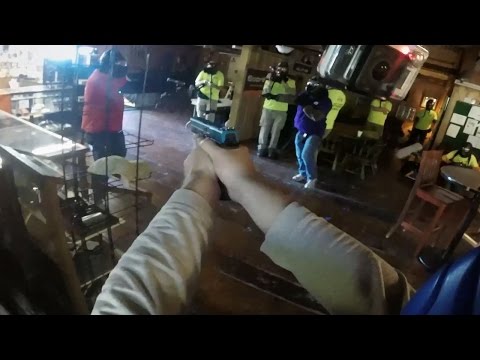
This content emphasizes the importance of an aggressive grip and forward-leaning stance for semi-automatic pistol shooting, particularly when experiencing malfunctions or during self-defense training. It suggests that a strong grip can compensate for potential issues with recoil springs or ammunition, and highlights the need for stress inoculation through realistic training scenarios. The discussion also touches on situational awareness and the psychological aspects of self-defense.

Quick Summary

An aggressive grip and forward-leaning stance are key for improving pistol control and mitigating malfunctions. This technique, combined with situational awareness and stress inoculation training, is vital for effective self-defense. Practicing malfunction drills and ensuring proper firearm break-in are also important aspects of preparedness.

Chapters

  1. 00:07Introduction to Gun Talk After Show
  2. 00:30Texas Church Shooting News Update
  3. 01:12Political Reactions to Shootings
  4. 02:25Caller Question: Firearm Malfunction
  5. 03:45Troubleshooting Firearm Cycling Issues
  6. 04:24Aggressive Grip and Stance Drill
  7. 05:07Firearm Break-In Period and Lubrication
  8. 05:57Ammunition Grain Weight and Recoil
  9. 06:19Practicing Malfunction Drills
  10. 06:29Thoughts on Texas Church Shooting
  11. 07:13The Nature of Conflict and Monsters
  12. 07:39Commercial Break
  13. 08:04Smith & Wesson M&P M2.0 Ad
  14. 08:36Gun Dealio App Promotion
  15. 09:35Reactions to Texas Shooting
  16. 10:13Frustration Over Innocent Deaths
  17. 10:39Potential Terrorist Motivation
  18. 11:02Personal Preparedness and Response
  19. 11:23Carrying More Ammunition
  20. 12:11Shared Responsibility for Gun-Free Zones
  21. 13:07Carrying Everywhere vs. Legal Restrictions
  22. 14:01Practicing Long-Range Shots with EDC
  23. 14:26Training to Move Forward and Close Distance
  24. 14:56Developing a Mental Plan for Threats
  25. 15:34Situational Awareness in Public Spaces
  26. 16:02Human Responsibility for Self-Protection
  27. 16:32Responding to External Threats
  28. 17:01Studies on Resistance vs. Non-Resistance
  29. 17:41Mental, Physical, and Emotional Training
  30. 18:15Stress Inoculation Explained
  31. 19:17Definitive Self-Defense Training
  32. 19:32Crime Scene Analysis and Avoidance
  33. 20:22Anger at Shooter and Political Exploitation
  34. 20:42Commercial Break
  35. 21:01Liberty Safe Ad
  36. 21:35First Person Defender Promotion
  37. 22:07Update on Texas Church Shooting
  38. 22:32Motivation for Self-Defense Training
  39. 23:05Realization of Unsafe Environments
  40. 23:21Consequences of Unarmed Citizens
  41. 23:29Increased Awareness and Training Efforts
  42. 23:45Involving Family in Training
  43. 24:30Accessible Training Resources
  44. 24:40Dry-Firing and Movement Drills
  45. 25:10Practicing Movement While Armed
  46. 25:57Training in the Dark
  47. 26:06Story: Restaurant Encounter
  48. 27:32De-escalation with Knife and Flashlight
  49. 28:05Importance of Calling 9-1-1
  50. 28:36Tactical Flashlight Utility
  51. 29:09Carrying a Tactical Flashlight
  52. 29:42Daily Practice Routine
  53. 30:15Mental Preparation in Training
  54. 30:35Home Safety Drills with Family
  55. 31:13Safe Room Strategy
  56. 31:34Hunkering Down with a Firearm
  57. 31:40Benefits of Training and Experience
  58. 32:02Mental Visualization for Success
  59. 32:24Challenge: Introduce Someone to Shooting
  60. 32:46Opportunity to Bring People In
  61. 33:03Making Shooting Safe and Fun
  62. 33:31Earplug Mishap Story
  63. 33:53Rededicating to Safety and Helping Others
  64. 34:38Wake-Up Call for Preparedness
  65. 34:47Importance of NRA Membership
  66. 34:55Election Day Considerations
  67. 35:33Closing Remarks and Prayers
  68. 36:00End of Gun Talk After-Show

Frequently Asked Questions

What is the recommended technique for improving pistol control during shooting?

An aggressive grip and a forward-leaning stance are recommended. This involves gripping the pistol as if your life depends on it, leaning forward until your nose is over your toes, and maintaining a firm, 'white-knuckle' grip while firing.

How long does it typically take for a new pistol to break in?

A new pistol typically requires around 500 rounds to fully break in. During this period, thorough lubrication and consistent shooting are advised to smooth out moving parts and ensure reliable function.

What is 'stress inoculation' in the context of firearms training?

Stress inoculation is a training method that involves repeatedly exposing individuals to stressful situations. This helps them build resilience and maintain performance under pressure, making them more effective in real-world self-defense scenarios.

Why is situational awareness important for self-defense?

Situational awareness is crucial because it involves actively scanning your surroundings, identifying potential threats, and preparing for unexpected events. It allows you to avoid dangerous situations or react more effectively if a threat emerges.

More Training & Techniques Videos You Might Like

More from Gun Talk Media

View all →