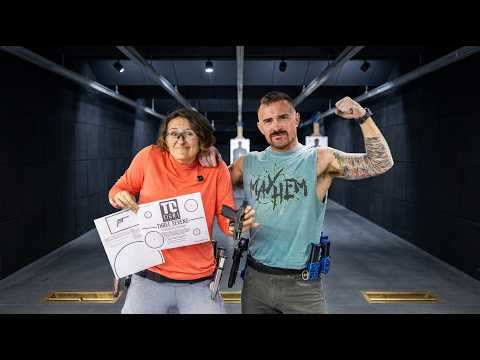
The Best Training Plans Are Organic

Published on January 10, 2026
Duration: 10:02

Joel Park, a recognized instructor and competitive shooter, advocates for organic training plans that adapt to immediate shooter needs rather than rigid schedules. He emphasizes using feedback loops from dry fire, scenario-based drills, and competition performance to identify and address specific technical flaws like trigger freeze and grip influence. This approach fosters self-awareness and creates a continuously evolving training regimen for optimal improvement.

Quick Summary

Joel Park advocates for organic shooting training, emphasizing a feedback loop where each session addresses identified weaknesses, unlike rigid schedules. He highlights using scenario drills and competition to diagnose flaws like trigger freeze and grip influence, stressing the importance of self-assessment for continuous improvement.

Chapters

  1. 00:00Flaw in Rigid Training Schedules
  2. 01:09Concept of Organic Training
  3. 02:38Scenario-Based Diagnostics
  4. 04:39Matches as Training Data
  5. 06:15Technical Flaws: Trigger Freeze and Grip Influence
  6. 07:16Importance of Self-Assessment
  7. 08:49Evolving Your Training Plan

Frequently Asked Questions

What is organic training in shooting?

Organic training is a dynamic approach where each practice session informs the next. If you identify a weakness, like excessive tension, during dry fire, your next practice session pivots to address that specific issue instead of following a rigid, pre-set schedule.

How can competition improve shooting skills?

Competition acts as a high-pressure diagnostic tool. It confirms issues identified in practice, such as trigger freeze or grip influence, and reveals new weaknesses that need addressing, providing valuable data for refining your training plan.

What are common technical flaws in shooting?

Two common flaws discussed are 'trigger freeze,' where the trigger isn't released quickly enough for fast splits, and 'grip influence,' where the firing hand's pressure causes shots to deviate horizontally, often pushing them.

Why is self-assessment important for shooters?

Developing self-awareness allows shooters to identify their own struggles during practice and matches. This personal insight is crucial for directing future training efforts effectively, rather than solely relying on instructors to pinpoint weaknesses.

More Training & Techniques Videos You Might Like

More from Joel Park

View all →