The Fight: Experience VS Inexperience

Published on July 26, 2017
Duration: 10:53

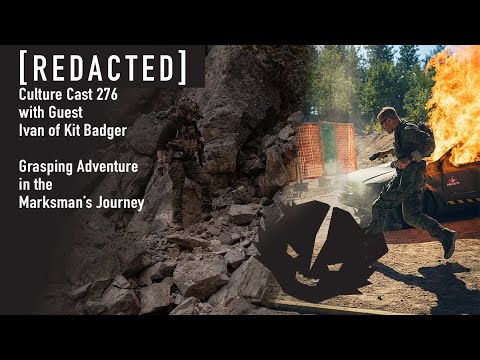
This video highlights the critical differences between flat range training and force-on-force (FoF) scenarios, emphasizing the psychological and physiological impacts of realistic simulations. Participants, including a 17-year-old student named Taylor Rodford and Cory Saaks, discuss how FoF training, like 'The Fight' course, injects a profound sense of reality, forcing participants to consider others' perceptions and react under adrenaline. The course is presented as essential for developing a robust warrior mindset, improving situational awareness, and understanding personal decision-making under duress, even if it leads to ego checks and emotional exhaustion.

Quick Summary

Force-on-force training, as demonstrated in 'The Fight' course, offers a critical advantage over flat range practice by simulating real-world threats and requiring participants to consider others' perceptions. This immersive experience enhances situational awareness, provides vital stress inoculation, and serves as a powerful ego check, revealing crucial areas for improvement in tactical decision-making and overall defensive preparedness.

Chapters

  1. 00:00Introduction and Student Interview
  2. 00:16Student's Prior Training Experience
  3. 01:28Student's Initial Thoughts on 'The Fight' Course
  4. 01:53Key Life Skill: Situational Awareness
  5. 02:35The Unique Nature of Force-on-Force Training
  6. 03:20Adrenaline and Psychological Impact
  7. 03:39Mental Effort Required for FoF Training
  8. 04:13Energy Levels After FoF Training
  9. 04:28Physical Exertion vs. Mental Toll
  10. 05:06Cycles of Brain Activity in Real-World Scenarios
  11. 06:06Interview with Cory Saaks
  12. 06:42Cory Saaks's Thoughts on 'The Fight' Course
  13. 07:14Ego Enlightenment Exchange
  14. 07:39Key Takeaway: Defensive Mindset and Decision Making
  15. 08:30Echoing Previous Points and Personal Reflections
  16. 09:07Missing Steps and Communicating with Authorities
  17. 09:33Instructor's Role in Stress Induction
  18. 09:44Stress Debrief and Recovery Time
  19. 10:16Recommendation: 'The Fight' as a Top Course

Frequently Asked Questions

What is the primary benefit of force-on-force training compared to traditional range practice?

Force-on-force (FoF) training, unlike flat range practice, immerses participants in realistic scenarios that simulate real-world threats. This approach forces individuals to consider not only their own actions but also the perceptions and reactions of others, significantly enhancing tactical decision-making and stress inoculation under pressure.

How does force-on-force training affect a participant's mindset and awareness?

FoF training profoundly impacts mindset by injecting a sense of reality, even when participants know it's simulated. It sharpens situational awareness, forcing individuals to be more vigilant of their surroundings and less prone to distractions. This heightened awareness is a critical life skill for personal safety.

What psychological effects can participants expect from force-on-force training?

Participants often experience intense psychological effects, including significant adrenaline surges that make the scenarios feel real. This can lead to emotional exhaustion and a need for decompression time afterward. The training also serves as an ego check, highlighting areas for improvement in decision-making and preparedness.

Is force-on-force training physically demanding?

While the scenarios themselves may not be physically strenuous, the mental and emotional toll of force-on-force training can be extremely high. Participants report feeling exhausted and amped simultaneously due to the stress and cognitive load, even if no significant physical exertion was involved.

More Training & Techniques Videos You Might Like

More from The VSO Gun Channel

View all →