The Key to Getting Better: Spotting Trends in Training

Published on April 16, 2026
Duration: 6:27

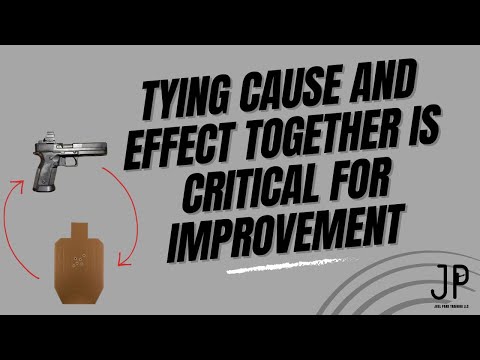
Joel Park, a firearms instructor, emphasizes the importance of analyzing shooting trends over individual shot performance. By examining aggregate target results and correlating them with physical sensations, shooters can identify specific issues like trigger control or sight alignment problems. This data-driven approach provides clear direction for focused training to achieve long-term improvement.


Quick Summary

To improve your shooting, analyze the aggregate results of multiple target repetitions (3-4) rather than focusing on individual shots. Look for trends in shot placement and correlate them with physical feelings during the drill to identify specific issues like trigger control or tension, guiding your training effectively.

Chapters

  1. 00:00Introduction: Spotting Trends in Practice
  2. 00:05Initial Shooting and Target Engagement
  3. 00:42Analyzing First Set of Targets: No Tension
  4. 01:24Long-Term Growth vs. Immediate Performance
  5. 02:01Identifying Problems: Shots Opening Up
  6. 02:15Cause: Trigger Press Before Sight Alignment
  7. 02:38Analyzing Grouping and Misses
  8. 03:07Determining What Needs Improvement
  9. 03:34Self-Assessment Questions for Shooters
  10. 04:26Second Set of Repetitions: Correcting Errors
  11. 04:36Recognizing and Fixing Issues in Real-Time
  12. 04:45Improved Target Acquisition and Grouping
  13. 05:00Aggregate Analysis: Shot Distribution
  14. 05:11Identifying Specific Trends (e.g., Right Side Hits)
  15. 05:35Addressing Impatience and Physical Tension
  16. 05:50Importance of Multiple Repetitions
  17. 06:07Connecting Feelings, Sights, and Training Direction
  18. 06:12Conclusion and Call to Action

Frequently Asked Questions

How can I effectively analyze my shooting practice to identify areas for improvement?

To effectively analyze your shooting practice, shoot multiple repetitions (3-4) of a drill. Then, examine the aggregate results on the targets, looking for trends in shot placement rather than focusing on your best or worst shots. Correlate these visual trends with how you felt during the shooting process to pinpoint specific issues.

What are common shooting trends that indicate a need for correction?

Common shooting trends indicating a need for correction include shots consistently grouping to one side of the target, shots being too high or too low, and a general opening up of groups. These often stem from issues like pressing the trigger before sights are aligned, trigger freeze, or physical tension in the hands or shoulders.

Why is it important to look at the aggregate of my shots instead of just the best ones?

Focusing on the aggregate of your shots provides a more realistic and consistent picture of your shooting ability. Your best shots might be outliers due to luck, while your worst might be due to a momentary lapse. The aggregate reveals recurring patterns and the true areas where you struggle, guiding your training more effectively.

How do physical feelings during shooting relate to target analysis?

Physical feelings during shooting are critical for understanding target trends. If your shots are consistently off, consider if you felt tension in your hands or shoulders, if you rushed the trigger press, or experienced trigger freeze. Connecting these sensations to the resulting shot placement helps diagnose the root cause of the trend.

More Training & Techniques Videos You Might Like

More from Joel Park

View all →