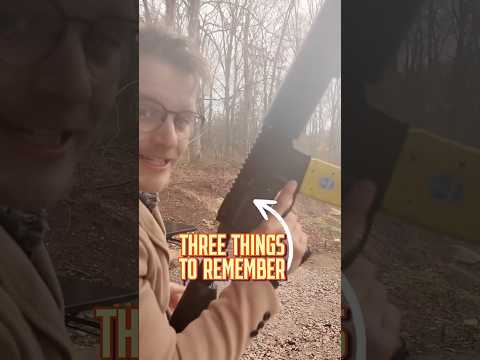
The ONLY Safe Rounds to Shoot in the Sky!!!

Published on April 30, 2025
Duration: 0:43

This guide details the three types of ammunition deemed safe for firing skyward: blank cartridges, signaling flares, and birdshot. The Civilian Tactical host, demonstrating high authority and expertise, emphasizes that standard ammunition should never be fired upwards due to extreme danger. The video highlights the physics behind why these specific types are acceptable, focusing on their lack of a dangerous projectile or their designed trajectory and low terminal velocity. The importance of professional gunsmithing education from institutions like SDI is also promoted.

Quick Summary

Three types of ammunition are safe to fire skyward: blank cartridges (no projectile), signaling flares (designed for visibility), and birdshot (low terminal velocity pellets). Standard ammunition is extremely dangerous when fired upwards due to unpredictable trajectories and falling projectiles. Always prioritize safety and understand ammunition design.

Chapters

  1. 00:00Introduction to Sky Shooting Safety
  2. 00:07Blank Ammunition Safety
  3. 00:16Signaling Flares for Emergencies
  4. 00:22Birdshot and Terminal Velocity Explained

Frequently Asked Questions

What types of ammunition are safe to shoot into the air?

Only three types of ammunition are generally considered safe for firing skyward: blank cartridges (which lack a projectile), signaling flares (designed for aerial visibility), and birdshot (whose small pellets have low terminal velocity and fall back down). Standard ammunition should never be fired upwards.

Why is birdshot considered safe to shoot into the sky?

Birdshot consists of small pellets designed for upward fire. These pellets achieve a low terminal velocity, meaning they fall back to the ground relatively slowly and with reduced impact force, making them safer than full-sized projectiles when fired skyward.

What is the danger of firing standard ammunition into the air?

Firing standard ammunition into the air is extremely dangerous because projectiles can travel for miles, potentially injuring or killing people, or causing property damage when they eventually fall back to earth. The trajectory and landing point are unpredictable and hazardous.

Where can I learn more about professional gunsmithing?

The video promotes the Sonoran Desert Institute (SDI) for professional gunsmithing education. Their website is SDI.TODAY, offering various courses for those interested in the field.

Related News

All News →

More Training & Techniques Videos You Might Like

More from Civilian Tactical

View all →