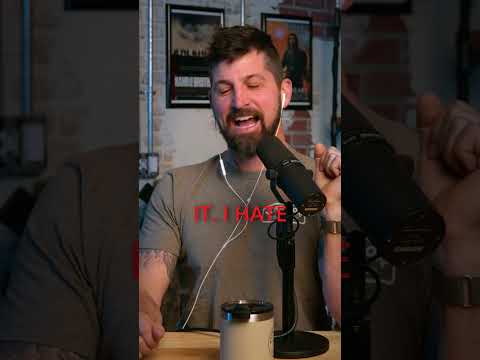
THE REALITY OF PHYSICAL STANDARDS ON DEPLOYMENT - PATREON SHORTS

Published on December 15, 2024
Duration: 0:51

This guide synthesizes insights from DJ Shipley, a seasoned operator, on the realities of physical standards for deployed personnel. It contrasts the high-intensity training for selection with the practical, endurance-focused methods used by experienced operators. The emphasis is on building durability and avoiding gym-induced injuries that could compromise mission effectiveness.

Quick Summary

Veteran operators prioritize endurance and durability for deployment, often training on treadmills at a 10% incline with body armor. This contrasts with selection training, focusing on avoiding high-risk gym injuries like those from heavy deadlifts, as such injuries can be more mission-impacting than combat wounds.

Chapters

  1. 00:00Selection vs. Deployment Reality
  2. 00:15Veteran Training Methods
  3. 00:30Risk of Gym-Induced Injuries
  4. 00:45Deployment Hardship

Frequently Asked Questions

What is the key difference between selection training and deployment physical standards?

Selection training often focuses on high-intensity, explosive performance. In contrast, deployment physical standards for experienced operators emphasize sustained endurance and durability, often involving long-duration cardio like treadmill walking at steep inclines while wearing body armor.

Why do veteran operators avoid certain heavy lifting exercises like deadlifts?

Veteran operators often avoid high-risk exercises like heavy deadlifts or hang cleans because a lower back injury, even if sustained in the gym, can be a significant liability on deployment, potentially causing more pain and mission compromise than combat itself.

How does body armor factor into the physical training of deployed operators?

Body armor is a crucial element in the physical training of deployed operators. Exercises like extended treadmill sessions at a 10% incline are performed while wearing body armor to accurately simulate the physical demands and stresses encountered during actual operations.

What is the primary goal of veteran operator physical training?

The primary goal of veteran operator physical training is to build resilience, endurance, and durability for sustained operational effectiveness. This approach prioritizes avoiding debilitating gym-induced injuries that could compromise mission readiness and effectiveness in real-world scenarios.

Related News

All News →

More Training & Techniques Videos You Might Like

More from GBRS Group

View all →