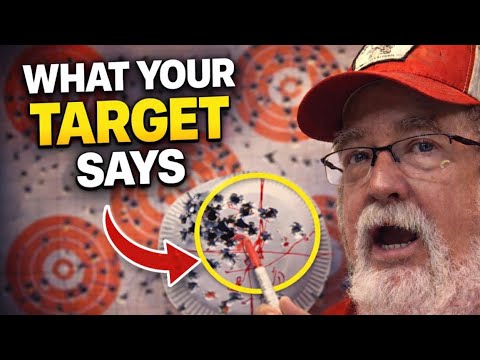
The Shot Doctor: reveals the truth about what good shots really mean.

John G. Johnson, a firearms instructor from Cape Coral, Florida, explains how to diagnose and correct common shooting errors using the 'Shot Doctor' segment. He introduces the 'Line Drill' as a method to identify issues like over-torquing, improper finger placement, and anticipation by analyzing shot group placement relative to a drawn line. The video also contrasts shooting a .22LR with a 9mm, highlighting the impact of recoil management on accuracy.

Quick Summary

To diagnose shooting errors, use the 'Line Drill' by drawing a line on a target and analyzing shot impact deviations. Shots to the right may indicate over-torquing, while shots to the left can be from improper finger placement or the gun being over the nose. Consistent high shots might mean not using a six o'clock hold. Dry fire practice is crucial for improving trigger control and reducing anticipation.

Chapters

  1. 00:00Introduction & Channel Welcome
  2. 00:37The Shot Doctor: Diagnosing Errors
  3. 01:06Analyzing Target Impact Points
  4. 01:46Common Error: Shots to the Right
  5. 02:09Common Error: Shots High
  6. 02:48Recommended Drill: The Line Drill
  7. 03:20Analyzing Student John's Targets
  8. 03:39.22LR vs. 9mm Accuracy Comparison
  9. 04:11John's 9mm Challenges
  10. 04:40Recommended Drill for John
  11. 05:22Identifying Anticipation
  12. 05:38Dry Fire Practice for Trigger Control
  13. 06:00Submit Your Targets for Analysis
  14. 06:17Closing Remarks & Safety

Frequently Asked Questions

How can I diagnose shooting errors using a target?

The 'Shot Doctor' method involves drawing a line on a target and analyzing where your shots impact relative to that line. Consistent deviations to the right or left can indicate issues with your grip or trigger finger placement, while shots consistently high might suggest an incorrect sight picture like not using a six o'clock hold.

What is the 'Line Drill' for improving shooting accuracy?

The Line Drill involves drawing a straight line on a target and practicing shooting to impact that line. By observing the pattern of your bullet holes, you can identify and correct issues such as over-torquing your grip, improper trigger finger placement, or the firearm being misaligned over your nose instead of your dominant eye.

Why are .22LR groups often tighter than 9mm groups for the same shooter?

The difference is primarily due to recoil. .22LR firearms have very little recoil, making them easier to manage, which allows a shooter's good grip, stance, and trigger control to result in tight groups. Higher caliber firearms like 9mm have more recoil, requiring dedicated practice for recoil management to achieve similar accuracy.

What causes anticipation in shooting, and how can I fix it?

Anticipation is when you consciously or unconsciously 'pull' the trigger in expectation of the shot, rather than 'pressing' it smoothly. This is a hard habit to break but can be improved through extensive dry fire practice, focusing on a controlled trigger press that doesn't give away the exact moment of the shot.

More Training & Techniques Videos You Might Like

More from Firearms Training By John G. Johnson

View all →