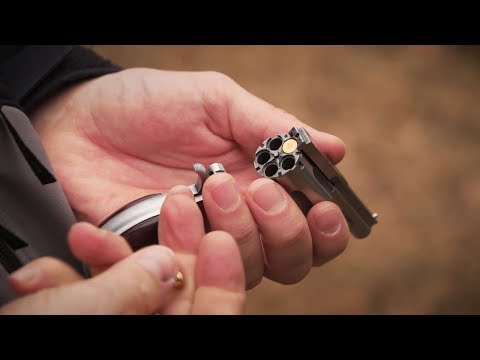
Training Drill: Keep Moving While Fixing a Malfunction | First Person Defender S7 Tip

Published on November 23, 2019
Duration: 1:41

This training drill emphasizes the critical importance of continuing to move and create distance when a firearm malfunction occurs, rather than freezing. The instruction highlights that static training can lead to dangerous habits in real-world scenarios where threats are active. The core principle is to maintain forward momentum, seek cover, and work to resolve the issue quickly, reinforcing positive action over inaction.

Quick Summary

When a firearm malfunction occurs, do not freeze. Instead, take affirmative action by moving to create distance and seek cover while clearing the stoppage. Static training can lead to dangerous habits; real-world encounters demand continuous movement and problem-solving to enhance survivability.

Chapters

  1. 00:05Introduction to Malfunctions
  2. 00:09The Danger of Static Training
  3. 00:14Real-World vs. Flat Range
  4. 00:33The Principle of Movement
  5. 00:45Drill Demonstration
  6. 00:52Clearing Malfunction While Moving
  7. 00:58Maintaining Distance and Operability

Frequently Asked Questions

Why is it important to move when clearing a firearm malfunction?

It's crucial to move when clearing a malfunction to create distance from a threat and seek cover. Static training can lead to freezing, making you an easier target. The drill emphasizes continuous action to improve survivability.

What is the primary goal when a firearm malfunctions during a defensive encounter?

The primary goal is to get the firearm back into an operable condition as quickly as possible while simultaneously creating distance from the threat and seeking cover. Positive action is key.

How does static range training differ from real-world defensive scenarios regarding malfunctions?

Static range training often involves standing still to fix malfunctions, which is forgiving. Real-world scenarios are unforgiving, with active threats, making movement and cover essential while clearing issues.

More Training & Techniques Videos You Might Like

More from Gun Talk Media

View all →