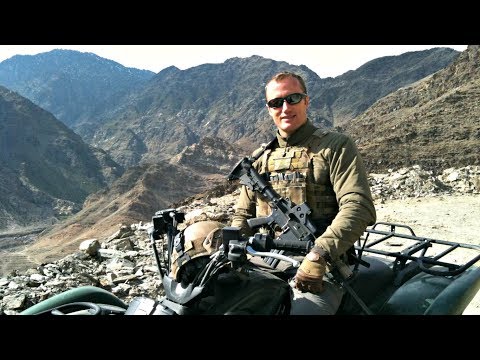
Training the Transition from Rifle to Pistol

Published on November 21, 2017
Duration: 5:34

This video provides a practical drill for training the transition from a rifle to a pistol, emphasizing stimulus-based execution. Instructor Ivan from Kit Badger demonstrates how to set up targets to naturally induce a transition when the rifle goes dry or malfunctions, rather than relying on predictable drills. The core principle is to practice the transition based on an unexpected event, mirroring real-world scenarios.

Quick Summary

Transitioning from a rifle to a pistol is essential when the rifle malfunctions, runs out of ammo, and a threat remains within pistol range. Effective training involves stimulus-based drills, using a secondary steel target while working on rifle proficiency. When the rifle fails, immediately draw your pistol and engage the secondary target, simulating a reactive transition.

Chapters

  1. 00:10Introduction to Rifle to Pistol Transition
  2. 00:18Why Transition from Rifle to Pistol?
  3. 00:23Reasons for Transition (Malfunction, Ammo Depletion)
  4. 00:38Distance Considerations for Transition
  5. 01:13Training Methods: Predictable vs. Stimulus-Based
  6. 01:44Setting Up the Stimulus-Based Drill
  7. 01:53Using Steel Targets for Feedback
  8. 02:10Integrating Rifle and Pistol Drills
  9. 02:41Executing the Transition Drill
  10. 03:35Demonstration of Successful Transition
  11. 03:48Customizing the Drill Setup
  12. 04:09Key Principles for Effective Training
  13. 05:01Conclusion and Final Tips

Frequently Asked Questions

What are the primary reasons to transition from a rifle to a pistol during a shooting engagement?

You would transition from a rifle to a pistol if the rifle experiences a malfunction, runs out of ammunition, and you still need to engage a threat that is within a reasonable distance for your pistol. This is often faster than clearing a rifle malfunction or reloading under immediate threat.

How can I effectively train for rifle to pistol transitions without predictable drills?

To train effectively, set up a drill where your rifle work is separate from your pistol work. Use a secondary, closer target (preferably steel) while engaging your primary rifle target. When your rifle goes dry or malfunctions unexpectedly, immediately transition to your pistol and engage the secondary target.

What type of target is recommended for practicing rifle to pistol transitions?

A steel target, such as a 12x20 inch silhouette, is highly recommended for practicing rifle to pistol transitions. It provides immediate audible feedback upon impact, making the drill more engaging and reinforcing successful hits.

Why is stimulus-based training important for firearm transitions?

Stimulus-based training is crucial because it mimics real-world scenarios where transitions are often forced by unexpected events like malfunctions or empty magazines. This approach ensures you react to the situation rather than performing a pre-programmed action, leading to more natural and effective execution.

More Training & Techniques Videos You Might Like

More from Kit Badger

View all →